






Now Reading: Schools shut in Tamil Nadu as Cyclone Ditwah approaches coast
-
01
Schools shut in Tamil Nadu as Cyclone Ditwah approaches coast
Schools shut in Tamil Nadu as Cyclone Ditwah approaches coast

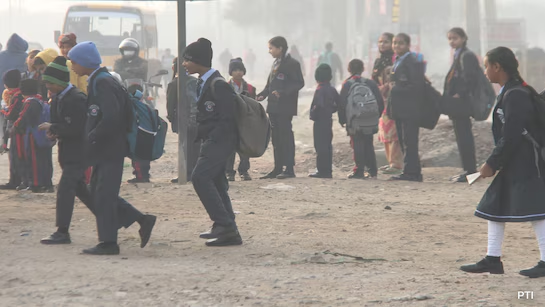
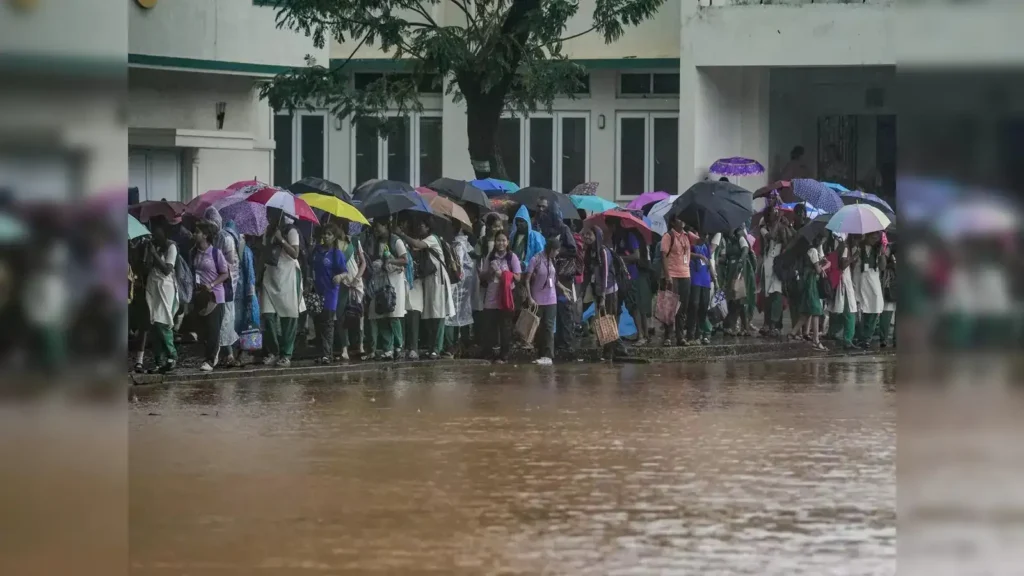
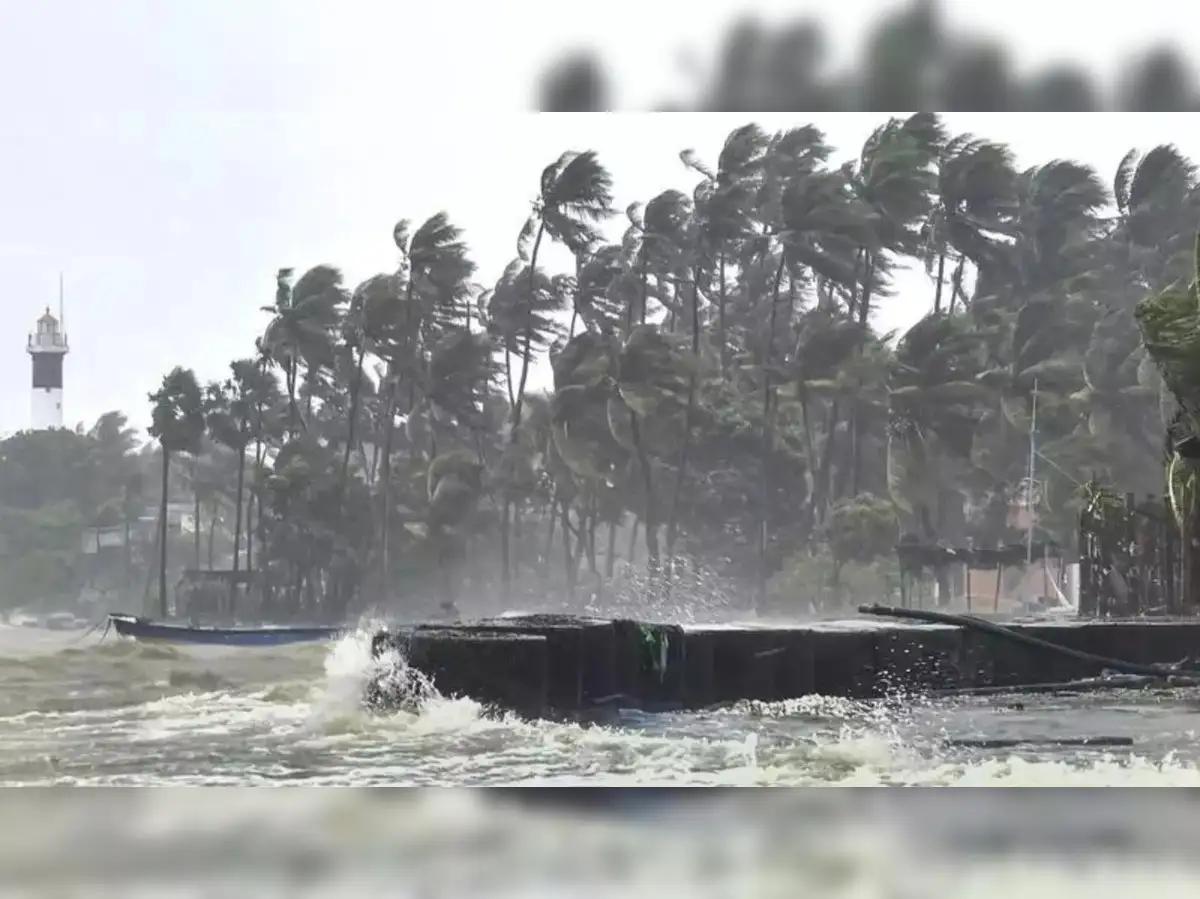
Schools in several Tamil Nadu districts have been ordered to shut ahead of Cyclone Ditwah, prompting parents to scramble for childcare arrangements and adjust daily routines. Authorities issued the closure directive as heavy rain, strong winds and flooding risks intensified along the state’s coastal belt.
Schools in Tamil Nadu have been shut due to the cyclone warning as administrators assess potential danger from falling trees, waterlogging and damaged infrastructure. The move aims to protect students before the cyclone makes its closest approach to the northern coastal districts. Parents are now reorganising schedules while staying alert to shifting weather advisories.
Why Tamil Nadu ordered school closures now
The government announced closures after meteorological data showed secondary keyword severe weather conditions developing across coastal districts. Heavy rainfall forecasts, combined with wind speeds that could reach damaging levels, made it unsafe for students to travel. Authorities want to avoid situations where children are stranded in schools during sudden flooding or power disruptions.
District administrations were asked to assess risk zones and issue closures based on local vulnerability. Chennai, Chengalpattu, Kanchipuram, Cuddalore and Villupuram were among the first to implement shutdowns. As cloud bands thickened along the Bay of Bengal, more districts followed. Schools were instructed to remain closed until conditions improve and safety checks can be completed on buildings and access routes.
Emergency teams are already deployed in low lying zones, and the government has prioritised preventing any incident involving schoolchildren during the cyclone period. The closure also prevents bus services, school vans and auto routes from operating in unsafe conditions.
Impact on parents and daily routines across districts
The sudden closures have triggered a secondary keyword parent response as families rearrange work plans, commutes and childcare. Many parents working in private offices have shifted to remote work for the next two days. Those working in essential services are relying on relatives or neighbours to look after children.
Parents in rural parts of coastal Tamil Nadu face additional challenges, as storm warnings often cause power cuts and communication disruptions. Keeping children indoors during heavy rain while ensuring safety in homes with weak roofing or poor drainage can be difficult. Community shelters are available in some districts, but movement is restricted during strong winds.
In cities like Chennai, some parents have stocked food, essentials and emergency supplies anticipating temporary disruptions. Apartment associations are checking for loose structures, fallen branches and clogged drains to avoid hazards within residential complexes. Neighbourhood groups have formed communication channels to share updates on waterlogging, blocked roads and relief efforts.
School preparedness and pending structural checks
Before any reopening decision, education departments require secondary keyword infrastructure safety assessments across all government and private schools. Heavy rainfall can weaken school building structures, damage electrical lines and clutter campuses with debris. Playground equipment, compound walls and roof sheets are particularly vulnerable.
Local officials have directed school managements to inspect drainage systems, classroom ceilings and access roads. Only after a clean report is issued will schools be allowed to reopen. Public works departments support these inspections in districts where structural risk is higher.
Schools also play a role in community disaster management. Some school buildings are designated as relief shelters and may remain occupied by residents displaced during flooding. In such cases, reopening will take longer until facilities are cleaned and restored for academic use.
Cyclone risks for coastal students and travel routes
Cyclone Ditwah’s approach brings secondary keyword travel disruptions that directly affect students. Bus routes in coastal and delta regions often pass through marshlands, narrow bridges and low lying roads that can flood quickly. Even moderate rainfall can make these routes dangerous for vans and autos that ferry schoolchildren daily.
Authorities have mapped out high risk clusters along coastal belts where road access is likely to be cut off during peak rainfall. Such areas include sections of East Coast Road, interior village roads in Cuddalore and delta-rich pockets of Mayiladuthurai. Students living in these regions are among the most vulnerable due to long commute distances.
By shutting schools early, the state aims to avoid last minute evacuations or emergency rescues involving children. Parents have welcomed the decision but remain concerned about potential property damage, power outages and the overall impact of repeated weather related closures on education schedules.
Takeaways
Schools in several Tamil Nadu districts are closed ahead of Cyclone Ditwah.
Parents are adjusting childcare and work schedules as weather risks intensify.
Authorities will conduct safety inspections before allowing schools to reopen.
Travel risks, flooding and strong winds make early closures essential for student safety.
FAQ
Why were schools closed before the cyclone made landfall?
Authorities closed schools due to heavy rainfall forecasts, strong winds and flooding risks that could endanger students during travel or while on campus.
Which districts announced closures?
Chennai, Chengalpattu, Kanchipuram, Cuddalore, Villupuram and several other coastal districts have implemented precautionary shutdowns.
When will schools reopen?
Reopening depends on weather stabilisation and successful completion of infrastructure safety checks. Officials will issue updates based on district conditions.
How can parents prepare during the closure period?
Parents can stay indoors, stock essentials, secure loose items around homes and follow official advisories. Ensuring children avoid flooded areas and unstable structures is crucial.