



Now Reading: Severe air-pollution alert hits Delhi as farm-fire link triggers emergency response
-
01
Severe air-pollution alert hits Delhi as farm-fire link triggers emergency response
Severe air-pollution alert hits Delhi as farm-fire link triggers emergency response

Summary
Delhi’s air-quality index surged into the “severe” category, prompting activation of Stage 3 of the Graded Response Action Plan (GRAP) and emergency curbs as farm-fires from neighbouring states added to the pollution load. The move signals heightened health risk and stricter controls ahead.
Introduction
The spike in Delhi’s pollution levels means the main keyword “Delhi air-pollution alert” is of urgent concern to millions of residents and visitors. The city’s air-quality index (AQI) climbed past 400, prompting authorities to declare a full-scale emergency response to combat the deteriorating atmospheric conditions.
Subhead: What triggered the emergency response and Stage 3 enforcement
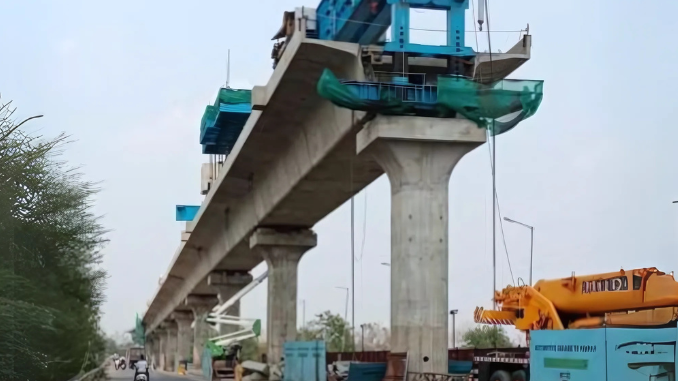
Authorities with the Commission for Air Quality Management (CAQM) have activated Stage 3 of GRAP for the first time this season in response to the steep AQI rise. The trigger was sustained readings above 400, with the AQI touching 409 early on Thursday and private monitors recording even higher values. Under Stage 3, non-essential construction is banned, industrial fuel-use is restricted and public advisories for outdoor protection are issued.
Subhead: Farm fires and other sources feeding Delhi’s smog surge
Satellite data shows hundreds of stubble-burn incidents in states north of Delhi—312 in Punjab and 322 in Uttar Pradesh on Tuesday alone. Analysts estimate that crop-residue burning could soon contribute up to 16 % or more of Delhi’s PM2.5 load on certain days. However recent reports note that the direct share of farm-fire emissions has varied, and local emissions (vehicles, industry, dust) remain dominant.
Subhead: Health risks and public advisory in force
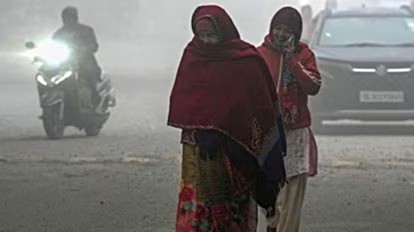
The present level of particulate matter (PM2.5) in Delhi is more than 26 times the World Health Organization (WHO) guideline of 15 µg/m³. With smog thick and air stagnant, even healthy individuals face elevated risk, while those with respiratory or cardiac conditions are especially vulnerable. Officials are advising residents to limit outdoor activity, use N95 masks and run indoor air purifiers.
Subhead: What this means for Delhi-NCR and next steps
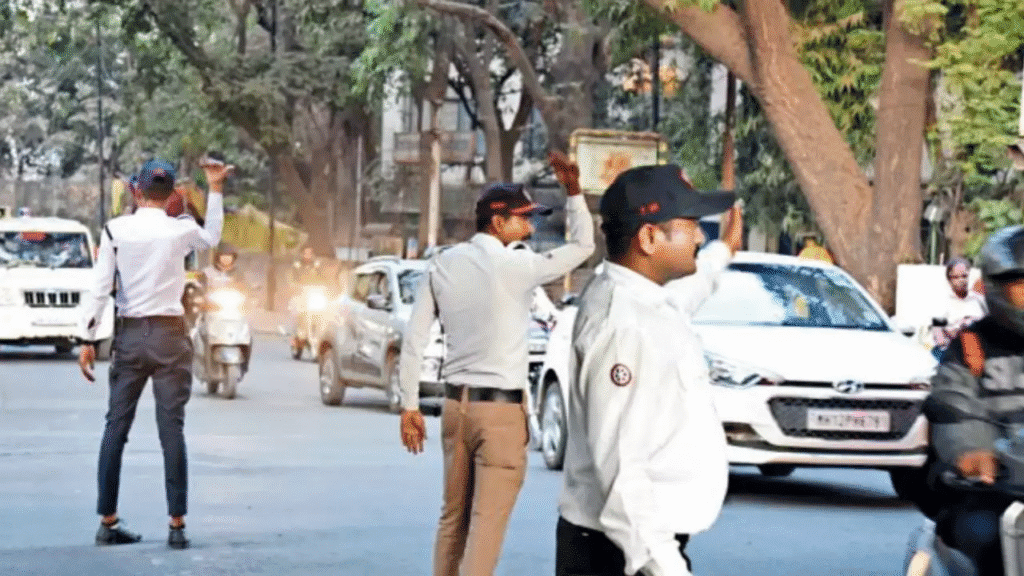
With stable winds and dropping temperatures expected, the polluted air may linger or worsen over the next few days. The CAQM has warned of continued “very poor” to “severe” quality levels unless weather improves or emission sources fall. In Delhi-NCR, Stage 3 means construction freezes, diesel generator use is limited and schools up to Class V shift to online/hybrid modes. Authorities are also coordinating with neighbouring states to tackle farm-fire hotspots and deploying anti-smog guns and mist-spray systems in open areas.
Takeaways
- Delhi’s air-pollution alert was triggered by AQI readings above 400, prompting Stage 3 of GRAP enforcement.
- Stubble-burning in Punjab, Haryana and UP is contributing significantly, but local emissions and weather factors remain major drivers.
- Health risks are high: even healthy individuals may face effects, and vulnerable groups face serious danger.
- Short-term relief depends on weather shifts and region-wide action on fire-and-dust sources; citizens must take protective steps now.
FAQ
Q1: What is the main keyword here and why is it important?
The main keyword is “Delhi air-pollution alert” which reflects the urgent state of air quality in the capital and ties directly into public-health and policy responses.
Q2: How much do farm fires contribute to Delhi’s pollution right now?
Current estimates suggest farm-fire (stubble-burn) contributions to Delhi PM2.5 may be up to 10-16 % in certain conditions. Earlier in the season the share was much lower.
Q3: What do Stage 3 GRAP measures involve for residents?
Stage 3 involves bans on non-essential construction, restrictions on industrial fuel use, possibly traffic curbs, advisories to stay indoors and shifting of school classes to hybrid/online mode.
Q4: What can residents do to protect themselves during this pollution emergency?
Use N95-grade masks outdoors, avoid strenuous outdoor activity, keep windows closed when possible, use indoor air purifiers if available and follow local advisories. Also monitor air-quality updates and plan accordingly.