






Now Reading: Smog Hits ‘Severe’ Levels in Delhi-NCR as AQI Touches 644 Today
-
01
Smog Hits ‘Severe’ Levels in Delhi-NCR as AQI Touches 644 Today
Smog Hits ‘Severe’ Levels in Delhi-NCR as AQI Touches 644 Today

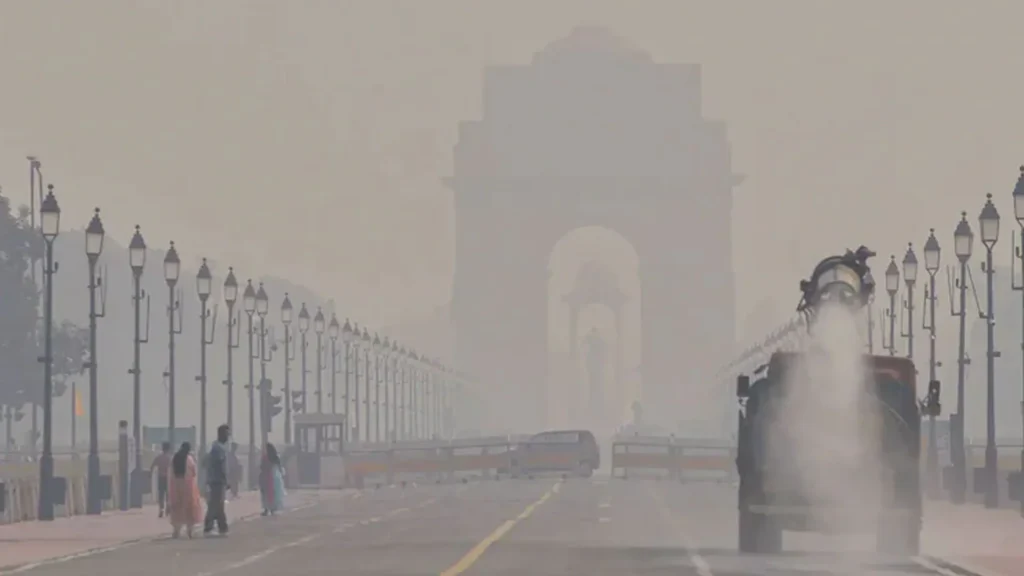
Delhi-NCR is currently experiencing a severe smog situation, with the Air Quality Index (AQI) soaring to an alarming 644 today. This marks the highest level of air pollution in the region in recent months, posing a significant health risk to residents and further exacerbating the already critical air quality situation in the capital and surrounding areas. The drastic deterioration in air quality is a result of a combination of factors, including vehicular emissions, industrial pollution, and crop-burning practices, compounded by unfavorable weather conditions.
The Impact of Severe Smog on Delhi-NCR Residents
The AQI of 644 falls in the “severe” category, indicating hazardous air conditions that can cause serious health issues, even for healthy individuals. Those with respiratory conditions, the elderly, children, and pregnant women are particularly vulnerable to the toxic air. Hospitals in Delhi-NCR are reporting a surge in cases of respiratory distress, asthma exacerbations, and heart problems. The dense smog has made it difficult to see more than a few meters ahead in some areas, further disrupting daily life.
Air quality at these levels can lead to long-term health complications, including lung disease, heart attacks, and even premature death. The persistent smog also affects mental health, with people reporting increased anxiety and stress due to the visibility issues and constant health risks. The severe pollution levels have caused people to limit outdoor activities, and schools have issued advisories to reduce exposure to the outdoors.
Factors Contributing to the Smog Crisis in Delhi-NCR
Several factors contribute to the severe air pollution levels in Delhi-NCR. First, the burning of crop residue in neighboring states, particularly Punjab and Haryana, has been a major contributor. This seasonal practice, which often occurs around harvest time, releases large amounts of particulate matter into the atmosphere. The wind patterns carry this smoke into Delhi, creating a thick blanket of smog.
Second, the high volume of vehicular emissions, combined with industrial pollutants, continues to be a major source of pollution in Delhi. The city’s traffic congestion and the growing number of vehicles on the road have worsened the air quality, especially during the colder months when atmospheric conditions trap pollutants near the ground.
Finally, weather conditions have exacerbated the situation. Low wind speeds and cooler temperatures prevent the dispersion of pollutants, trapping them in the atmosphere and leading to stagnant air. These weather patterns prevent the natural cleansing of the air and prolong the duration of smog.
Government and Public Response to the Smog Crisis
In response to the deteriorating air quality, the Delhi government has activated emergency measures, including the suspension of construction activities, the closure of brick kilns, and restrictions on the entry of trucks into the city. The Delhi Pollution Control Committee has also issued advisories urging residents to stay indoors, avoid outdoor activities, and wear N95 masks if they need to go out.
The government has also ramped up efforts to combat crop burning in neighboring states by offering financial incentives and better alternatives to farmers. However, these measures have had limited success in reducing the practice. Moreover, long-term solutions, such as the promotion of electric vehicles, stricter industrial emissions regulations, and better waste management practices, are being discussed, but implementation remains slow.
On the public front, awareness campaigns have been launched to educate residents about the dangers of smog and the importance of reducing personal emissions. There has been an increased emphasis on carpooling, using public transport, and reducing the use of firecrackers during festivals to mitigate air pollution.
What Can Be Done to Improve Air Quality in Delhi-NCR?
Addressing the air quality crisis in Delhi-NCR requires a multi-pronged approach. The government needs to enforce stricter regulations on industrial emissions, improve waste management, and accelerate the transition to renewable energy sources. Furthermore, there must be a concerted effort to tackle the problem of crop residue burning through better technologies and subsidies for farmers.
Public awareness plays a critical role in mitigating air pollution. Citizens must adopt greener practices, such as reducing personal vehicle usage, supporting public transport, and opting for cleaner energy sources at home. Additionally, urban planning reforms that promote green spaces and reduce vehicular traffic congestion will be essential in improving air quality.
Takeaways
- The AQI in Delhi-NCR has hit a hazardous 644, placing residents at serious health risk.
- The smog crisis is primarily caused by crop burning, vehicular emissions, and industrial pollutants, worsened by unfavorable weather.
- The government has implemented emergency measures, but long-term solutions are still needed to tackle the root causes of pollution.
- Public awareness and individual actions, such as using public transport and reducing vehicular emissions, are key to improving air quality.
FAQs
Q: What does an AQI of 644 mean for the people of Delhi-NCR?
A: An AQI of 644 falls in the “severe” category, meaning the air quality is hazardous. It can cause respiratory issues and heart problems, particularly in vulnerable groups like children, the elderly, and people with pre-existing conditions.
Q: How does crop burning contribute to the smog in Delhi?
A: Crop burning releases large quantities of particulate matter into the air, which is carried by wind into Delhi, contributing significantly to the pollution levels during the winter months.
Q: What steps is the government taking to combat smog in Delhi?
A: The government has imposed temporary measures like restricting construction activities, closing brick kilns, and controlling truck traffic. Efforts to reduce crop burning and promote electric vehicles are also being pursued.
Q: How can residents help improve air quality in Delhi?
A: Residents can reduce their carbon footprint by using public transport, carpooling, minimizing vehicle usage, and supporting green initiatives like tree planting and renewable energy.