







Now Reading: State Governments Push Infrastructure Spending Before Financial Year-End
-
01
State Governments Push Infrastructure Spending Before Financial Year-End
State Governments Push Infrastructure Spending Before Financial Year-End
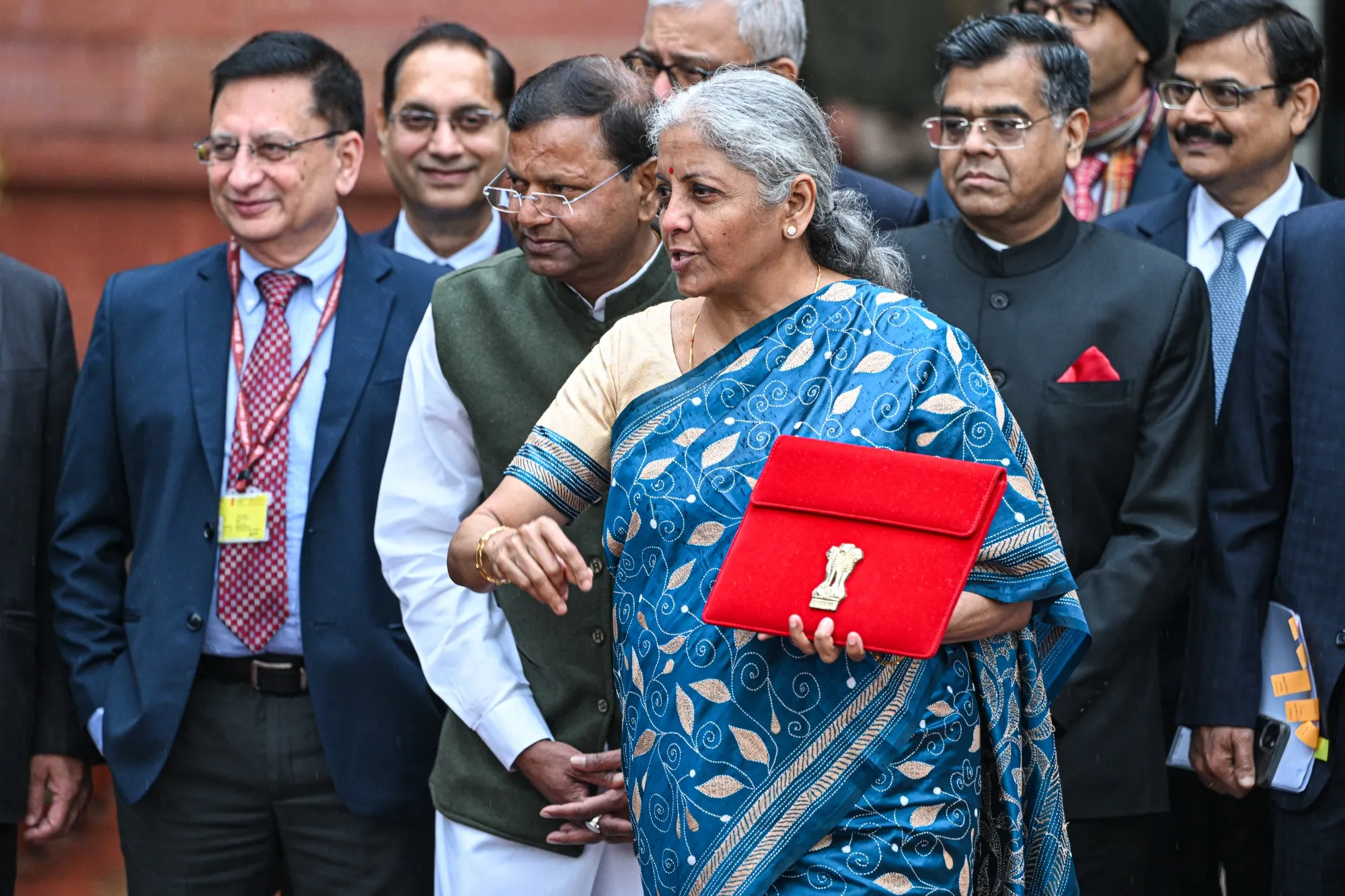
State governments across India are pushing infrastructure spending before the financial year-end as departments rush to utilise allocated budgets and accelerate project execution. Roads, urban infrastructure, water supply, and public works are seeing faster approvals and on-ground activity as March approaches.
This year-end spending push is a familiar fiscal pattern, but the scale is notable due to higher capital expenditure allocations and pressure to deliver visible outcomes. The move is aimed at boosting economic activity, improving asset creation, and avoiding lapses in unspent funds.
Why Infrastructure Spending Rises Before March
State governments typically intensify infrastructure spending in the final quarter of the financial year to ensure budgeted capital expenditure is fully utilised. Funds not spent by March often lapse or reduce future allocations, creating strong incentives for departments to accelerate payments and project milestones.
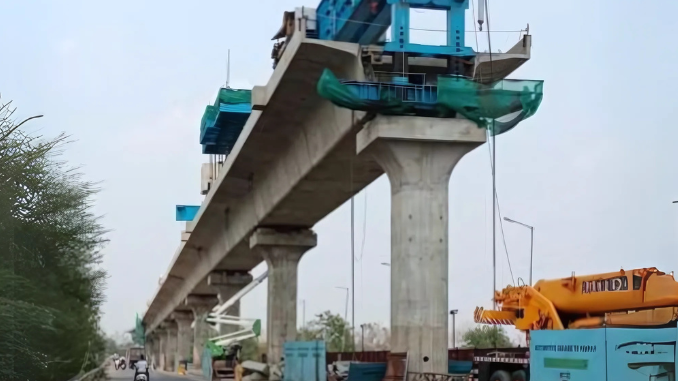
This period sees faster release of funds for ongoing projects rather than the launch of entirely new ones. Road widening, bridge construction, drainage upgrades, and urban transport works are prioritised because they can absorb large sums quickly.
The push also reflects political and administrative accountability, as visible progress on infrastructure strengthens performance reviews and public perception.
Key Sectors Seeing Higher Capital Outlay
Roads and highways remain the biggest beneficiaries of the year-end infrastructure push. State public works departments are clearing pending bills, issuing final payments to contractors, and accelerating surface works to meet targets.
Urban infrastructure is another major focus area. Municipal bodies are fast-tracking spending on water pipelines, sewage networks, street lighting, and smart city components. Housing and urban development departments are also releasing funds for affordable housing and redevelopment projects.
Irrigation and rural infrastructure are seeing targeted spending, particularly in states where agriculture remains a key economic driver. Canal repairs, minor irrigation works, and rural connectivity projects are being prioritised.
Impact on Contractors and Local Economies
The surge in infrastructure spending before the financial year-end has a direct impact on contractors, suppliers, and local labour markets. Payments that were pending for months are often cleared during this period, improving cash flow for construction firms.
Local economies benefit from increased demand for materials, transportation, and skilled and unskilled labour. This temporary boost supports employment and consumption, especially in semi-urban and rural areas where government projects are major economic drivers.
However, contractors also face pressure to complete work quickly, sometimes leading to stretched timelines and logistical challenges.
Challenges Linked to Year-End Spending Rush
While higher spending boosts activity, the year-end rush also raises concerns about execution quality. Tight deadlines can compromise project supervision, leading to uneven workmanship or deferred maintenance issues later.
Administrative bottlenecks remain a challenge. Multiple departments processing payments simultaneously can strain treasury systems and slow disbursements despite budget availability.
Experts have long pointed out that concentrated spending in the last quarter reduces efficiency. Ideally, capital expenditure should be spread evenly across the year to ensure better planning and execution.
Role of Central Schemes and Matching Grants
Many state infrastructure projects are linked to central government schemes that require matching grants or milestone-based fund releases. As the financial year-end approaches, states are keen to meet conditions to unlock pending central funds.
This has led to faster progress on projects under national highway development, urban renewal missions, and rural infrastructure programmes. Meeting utilisation targets ensures that states remain eligible for future allocations.
The coordination between state and central agencies becomes more intense during this period, with frequent reviews and reporting.
Fiscal Discipline Versus Development Pressure
State governments face a delicate balance between fiscal discipline and development pressure. While infrastructure spending supports growth, excessive last-minute expenditure can distort fiscal planning.
Finance departments monitor spending closely to ensure deficit targets are not breached. In some cases, departments are advised to prioritise essential works and defer non-critical expenses to the next financial year.
The emphasis this year appears to be on capital expenditure rather than revenue spending, which aligns with long-term economic goals.
What This Means for the Economy
The year-end infrastructure spending push has broader economic implications. Capital expenditure by states supports construction, manufacturing, and services, creating a multiplier effect across sectors.
At a time when private investment remains cautious in some areas, government-led infrastructure activity provides stability. It also improves long-term productivity by strengthening physical assets such as roads, ports, and urban services.
Economists view sustained public infrastructure spending as a key driver of medium-term growth, provided execution quality is maintained.
Outlook Beyond the Financial Year-End
As the new financial year begins, attention will shift to how effectively the spending translated into completed assets. Projects that only see partial progress may require continued funding and monitoring.
Several states are expected to carry forward large infrastructure pipelines into the next year, supported by higher capital expenditure budgets. Learning from year-end execution challenges could improve planning cycles.
The current push underscores the importance of early project approvals and steady fund release throughout the year.
Takeaways
- State governments are accelerating infrastructure spending before March
- Roads, urban works, and irrigation projects are key focus areas
- Year-end spending boosts local economies but strains execution capacity
- Balanced, year-round capital expenditure remains the long-term goal
FAQs
Why do states rush infrastructure spending at year-end?
To fully utilise budgeted funds and avoid lapses that could reduce future allocations.
Which sectors benefit most from year-end spending?
Roads, urban infrastructure, housing, and irrigation projects see the highest spending.
Does last-quarter spending affect project quality?
Tight timelines can impact supervision, making quality control more challenging.
Will infrastructure spending continue after March?
Yes. Most states plan continued capital expenditure in the new financial year.