





Now Reading: Supreme Court Hearing Today on Key Electoral Bonds-Related Petitions
-
01
Supreme Court Hearing Today on Key Electoral Bonds-Related Petitions
Supreme Court Hearing Today on Key Electoral Bonds-Related Petitions
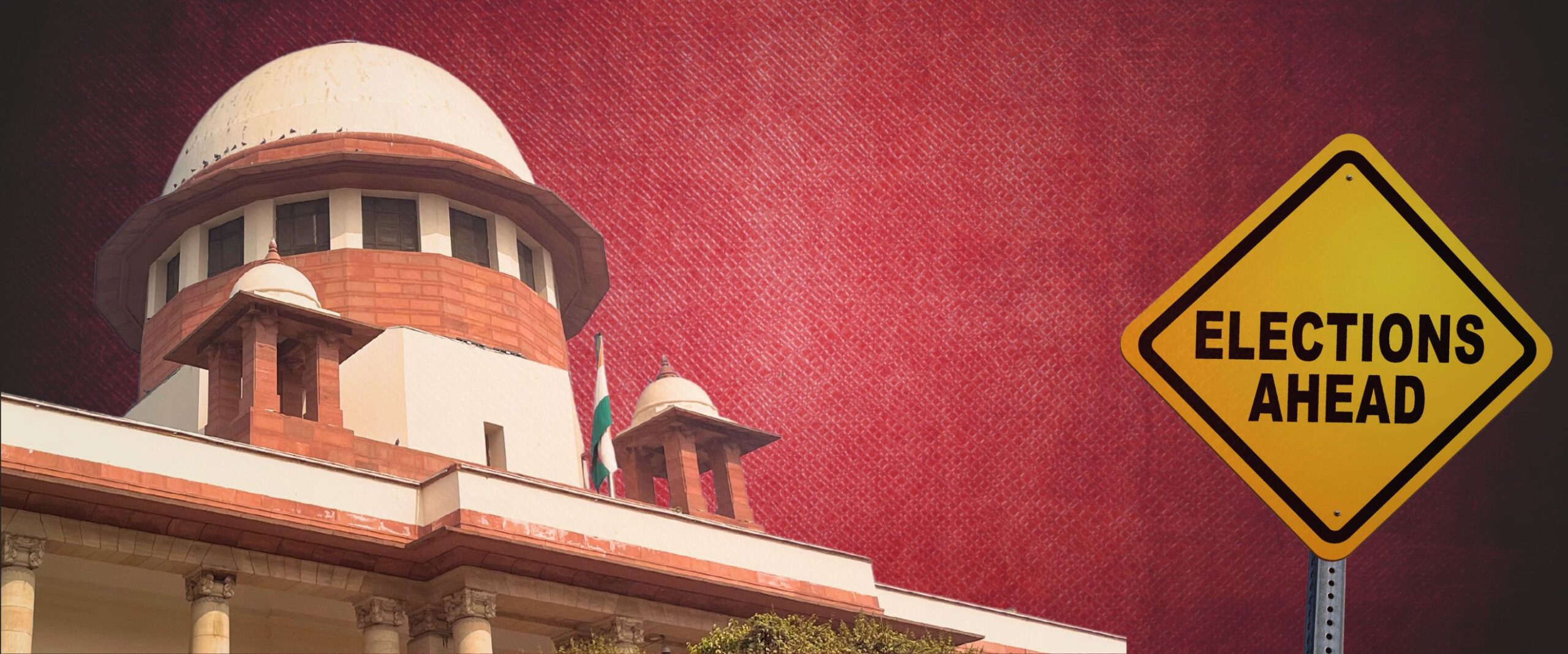
Supreme Court hearing today on key electoral bonds-related petitions has brought political funding transparency back into focus. The case examines compliance, disclosure scope, and post-verdict implementation issues following earlier judicial scrutiny of the electoral bonds framework.
Background of the Electoral Bonds Dispute
The electoral bonds system was introduced as a mechanism to channel political donations through formal banking routes. It allowed individuals and entities to purchase bonds from designated banks and donate them to registered political parties. Donor identities were not disclosed publicly, which supporters argued reduced cash-based funding.
Critics, however, raised concerns about opacity and unequal access. Multiple petitions challenged the framework on grounds that anonymity diluted voter awareness and accountability. Previous judicial proceedings examined constitutional aspects related to transparency, equality, and the right to information, setting the stage for the current hearing.
What the Supreme Court Is Hearing Today
The Supreme Court hearing today focuses on petitions linked to compliance and enforcement following earlier rulings. The court is expected to review submissions related to disclosure obligations, timelines for implementation, and the handling of data already collected under the electoral bonds system.
Petitioners have sought clarity on how authorities are implementing directions concerning donor and recipient transparency. The hearing may also consider whether additional safeguards or reporting mechanisms are required to ensure consistency with constitutional principles already outlined by the court.
Key Legal Questions Before the Court
Several legal questions are central to today’s proceedings. One issue is whether full disclosure of donors and beneficiaries should be made public and in what format. Another concerns institutional responsibility, including the role of banks and regulatory bodies in maintaining and sharing records.
The court is also examining whether interim measures are necessary to prevent gaps in transparency during the transition period. These questions carry long-term implications for political finance regulation and future electoral processes.
Positions Presented by Petitioners
Petitioners argue that incomplete or delayed disclosure undermines the intent of judicial scrutiny applied to electoral bonds. They maintain that voters have a right to know the sources of political funding to make informed choices during elections.
Legal representatives have also raised concerns about selective disclosure and data asymmetry. According to their submissions, any partial implementation risks perpetuating the very opacity the court sought to address in earlier observations.
Government and Institutional Responses
On the other side, government representatives and concerned institutions are expected to outline steps already taken to comply with judicial directions. This includes procedural changes, internal audits, and coordination among agencies involved in bond issuance and record-keeping.
They may argue that implementation requires structured timelines to ensure accuracy and prevent misuse of sensitive financial data. Balancing transparency with data protection and administrative feasibility remains a key point in their submissions.
Political and Electoral Implications
The outcome of the Supreme Court hearing today could shape how political funding is disclosed ahead of future elections. Any directive on public disclosure standards would affect political parties across the spectrum, influencing fundraising strategies and compliance practices.
Political analysts note that greater transparency could alter donor behavior, potentially shifting contributions toward smaller amounts or alternative funding mechanisms. The hearing is therefore closely watched not only for legal clarity but also for its broader impact on electoral competition.
Public Interest and Transparency Debate
Public interest groups have consistently framed the electoral bonds issue as a test case for transparency in democratic systems. They argue that secrecy in political funding erodes public trust and creates uneven influence.
Supporters of reform emphasize that transparent funding systems are linked to cleaner elections and reduced corruption risks. The Supreme Court’s engagement with these concerns reinforces the judiciary’s role in balancing governance efficiency with democratic accountability.
Possible Outcomes and Next Steps
The court may issue immediate directions or reserve its order after hearing arguments. Possible outcomes include setting firm deadlines for disclosure, outlining the scope of information to be released, or directing further review by regulatory authorities.
In some cases, the court could seek additional affidavits or data submissions before taking a final view. Whatever the procedural outcome, the hearing is expected to move the issue closer to resolution rather than reopening settled constitutional questions.
Why Today’s Hearing Matters
This Supreme Court hearing today matters because it addresses how judicial principles translate into administrative action. It tests whether transparency directives remain effective beyond the courtroom and into real-world governance.
For citizens, the case represents a broader demand for accountability in political finance. For institutions, it underscores the importance of timely and faithful compliance with constitutional standards.
Takeaways
- Supreme Court hearing today focuses on implementation of electoral bonds-related directions
- Disclosure scope and timelines are central issues before the court
- Outcome may influence future political funding transparency
- The case has implications beyond law, affecting electoral trust
FAQs
What is the Supreme Court hearing today about?
It concerns petitions related to compliance and disclosure following earlier scrutiny of the electoral bonds system.
Will donor details be made public after this hearing?
The court may clarify disclosure requirements, but the final outcome depends on judicial directions issued.
Does this hearing affect upcoming elections?
Any ruling on transparency could influence political funding practices ahead of future elections.
Is the electoral bonds system still under review?
The core framework has been examined earlier, but today’s hearing focuses on enforcement and implementation issues.