





Now Reading: Supreme Court seeks responses after Phalodi accident that killed 15
-
01
Supreme Court seeks responses after Phalodi accident that killed 15
Supreme Court seeks responses after Phalodi accident that killed 15

India’s road safety concerns were brought back into national focus after the Supreme Court sought responses from the Centre and state authorities following a fatal road accident near Phalodi in Rajasthan, where 15 people lost their lives. The court’s intervention highlights recurring issues of overloaded vehicles, inadequate enforcement and unsafe highway conditions that continue to cause preventable fatalities across the country.
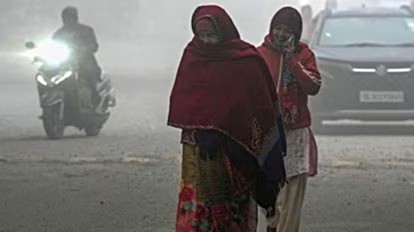
The accident occurred when a truck collided with a stationary bus carrying passengers returning from a local pilgrimage. Preliminary reports suggest low visibility due to early morning fog and possible driver fatigue. The incident has prompted a wider debate about highway safety protocols and the effectiveness of existing road regulations.
Supreme Court steps in amid rising accident numbers
The Supreme Court has asked for detailed explanations from concerned state authorities, the Ministry of Road Transport and Highways, and national road safety committees. The court noted that road accident deaths have remained persistently high in India despite multiple policy frameworks and awareness campaigns. It emphasized that accountability, enforcement and infrastructure upgrades need stronger monitoring and mandatory follow through.
India currently records one of the highest rates of road accident fatalities globally. Reports from the Ministry of Road Transport indicate that over 1.6 lakh people die in road accidents in India every year. Many incidents involve speeding, fatigued driving, overloaded commercial vehicles and insufficient highway lighting or signage.
The court’s request for responses focuses on three key areas: enforcement lapses, safety infrastructure gaps along highways, and emergency response coordination at accident sites. The court also referenced earlier committees formed to recommend road safety reforms and questioned the pace of implementation.
Factors contributing to the Phalodi accident
According to initial findings, the bus carrying passengers had halted on the roadside when the collision occurred. The truck, moving at moderate to high speed, failed to brake in time. Highway stretches in the region are known for early morning fog and limited shoulder boundaries. Investigators are reviewing whether warning indicators or reflective markers were present at the site.
Local residents reported that heavy trucks frequently travel through the area at night and early morning, making collision risks higher when vehicles are parked near the carriageway. Driver fatigue is a recurring issue on long haul routes, especially without regulated rest schedules or monitoring systems for commercial vehicle operators.
Authorities are also examining whether the bus was positioned too close to the main lane, reducing reaction time for oncoming vehicles. The incident reflects broader road discipline challenges where emergency stops or short halts often happen on active sections of highways rather than designated lay-by zones.
Road safety enforcement and policy gaps
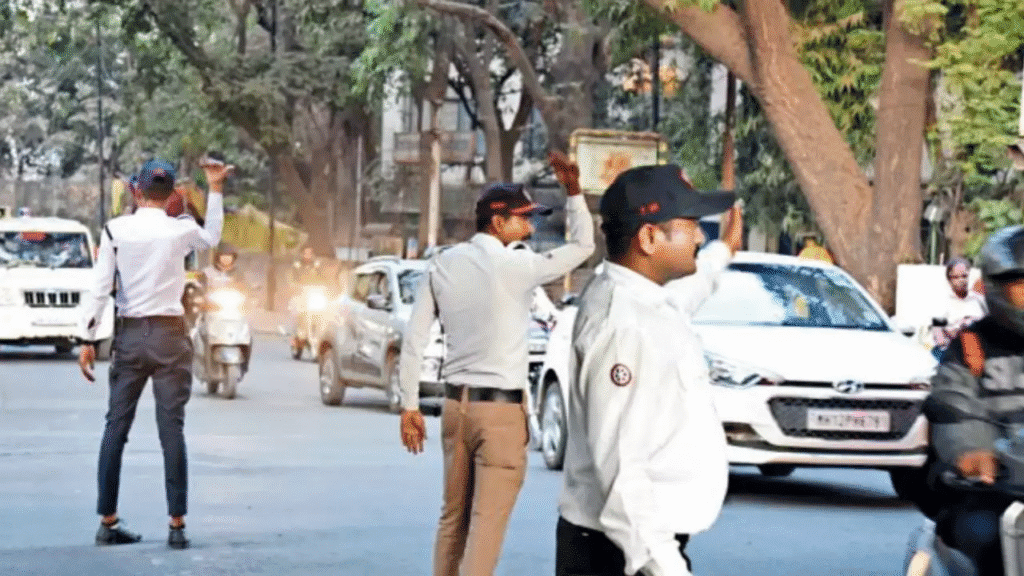
India’s road safety laws have seen updates in recent years, including increased penalties for violations, stricter provisions for driving under influence, and obligations for motor manufacturers to meet crash test standards. However, enforcement varies significantly across states. In many regions, commercial vehicle safety checks are irregular, and overloading continues despite regulatory penalties.
Highway construction under national infrastructure programs has expanded road connectivity, but safety features such as guardrails, reflective signage, pedestrian crossings and rest zones are not uniformly implemented. The absence of patrolling units on certain highway stretches further reduces accountability.
Emergency medical response time also plays a critical role in survival. In several accident cases, delays in medical attention increase fatality risk. While state governments have emergency ambulance networks, coordination between police, highway patrol and hospitals remains inconsistent, especially in semi urban or rural zones.
Need for structural reform and technology integration
Experts emphasize that improving road safety requires both behavioral change and structural intervention. Driver training standards, commercial fleet monitoring, speed limiting technology and fatigue alert systems can reduce incident probability. Some logistics companies have begun using telematics devices to track driver patterns, but widespread adoption remains limited.
Infrastructure planning needs to account for roadside waiting zones, emergency corridors and signage suitable for weather conditions. In fog prone regions, illuminated boards and speed regulated segments are considered essential. Regular safety audits of highways could identify high risk accident spots before incidents occur.
Public awareness remains central. Campaigns that highlight safe driving practices, seatbelt usage and responsible pedestrian behavior help influence social norms over time. Schools, transport unions and local governance bodies are expected to play a role in reinforcing these habits.
Takeaways
• Supreme Court intervention reflects rising concern over recurring highway accident fatalities
• The Phalodi accident highlights gaps in enforcement, driver fatigue management and roadside safety planning
• Road safety requires coordinated reforms across infrastructure, monitoring and public awareness
• Emergency response improvement and statewide enforcement consistency remain critical priorities
FAQ
What triggered the Supreme Court’s intervention?
The court stepped in after the Phalodi accident killed 15 people, calling for accountability from authorities and stronger enforcement of road safety measures.
What were the main factors behind the accident?
Preliminary reports suggest low visibility, possible driver fatigue and unsafe roadside vehicle stoppage contributed to the collision.
How serious is the road safety problem in India?
India records one of the highest global road accident fatality numbers each year, with over 1.6 lakh deaths annually.
What improvements are being recommended?
Experts suggest stronger enforcement, better highway design, monitoring of commercial vehicles and improved emergency medical response systems.