







Now Reading: The Hidden Cost of Green Trends: Why Sustainable Fashion Isn’t Always Sustainable
-
01
The Hidden Cost of Green Trends: Why Sustainable Fashion Isn’t Always Sustainable
The Hidden Cost of Green Trends: Why Sustainable Fashion Isn’t Always Sustainable
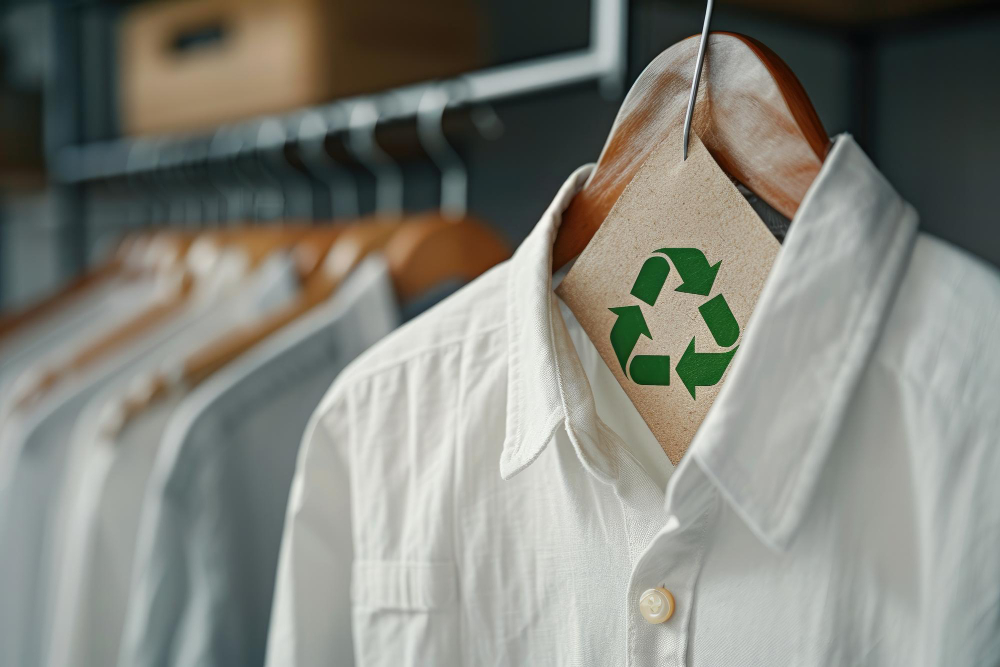
Sustainable fashion has become one of the industry’s favorite buzzwords. From big brands to homegrown labels, everyone seems to promise eco-friendly fabrics and ethical production. But behind the marketing, the truth is more complicated. Many so-called “sustainable” brands still rely on practices that harm the environment, exploit labor, or mislead consumers through what experts call “greenwashing.”
At first glance, sustainable fashion looks like a step forward. Organic cotton, recycled polyester, and plant-based dyes sound like responsible choices. But producing these materials still consumes vast amounts of water and energy. For example, organic cotton uses fewer chemicals than regular cotton but often requires more land and irrigation. Similarly, recycling synthetic fibers involves heavy processing that leaves its own carbon footprint. The result: a product that feels eco-conscious but still strains the planet in less visible ways.
Fast fashion brands have also embraced the sustainability tag, but mostly for image. Collections labeled “eco” or “conscious” are often tiny compared to the rest of their inventory. The core business model—mass production, rapid trends, and low prices—remains unchanged. In India’s growing fashion market, especially in Tier 1 cities like Mumbai and Bengaluru, young consumers want affordable, trendy, and guilt-free shopping. This demand pushes brands to market sustainability without truly practicing it.
Another layer of the problem is overproduction. Even if a T-shirt is made from recycled fabric, making millions of them to meet global demand still adds to pollution and waste. Sustainability isn’t only about materials—it’s about reducing consumption. Yet the fashion industry thrives on encouraging people to buy more, not less. “Buy sustainable” has replaced “buy cheap,” but the cycle remains the same.
Labor practices are another concern. Many brands claiming to be ethical outsource production to factories with poor working conditions. Workers are underpaid, overworked, and rarely benefit from the high margins attached to “eco-friendly” products. In countries like India, Bangladesh, and Vietnam, where much of the world’s clothing is made, sustainability often focuses on fabric, not fair wages.
Even consumers who try to do the right thing face challenges. Sustainable clothing tends to cost more, putting it out of reach for most middle-class buyers. Affordable options online are often vague about how sustainable they truly are. Without clear standards or transparency, it’s nearly impossible to tell whether a product is genuinely green or just good at marketing.
True sustainability requires more than organic tags and recycled packaging. It means slowing down consumption, supporting ethical supply chains, and choosing quality over quantity. For Indian consumers, that might mean buying fewer clothes, favoring local artisans, and repairing garments instead of replacing them.
The irony is that sustainability has become a style statement rather than a solution. Until brands prioritize accountability over advertising—and consumers value longevity over trends—fashion’s green promise will remain only partially true.