








Now Reading: The Truth About Influencer-Owned Brands: Hype, Trust, and the Reality Behind the Glamour
-
01
The Truth About Influencer-Owned Brands: Hype, Trust, and the Reality Behind the Glamour
The Truth About Influencer-Owned Brands: Hype, Trust, and the Reality Behind the Glamour
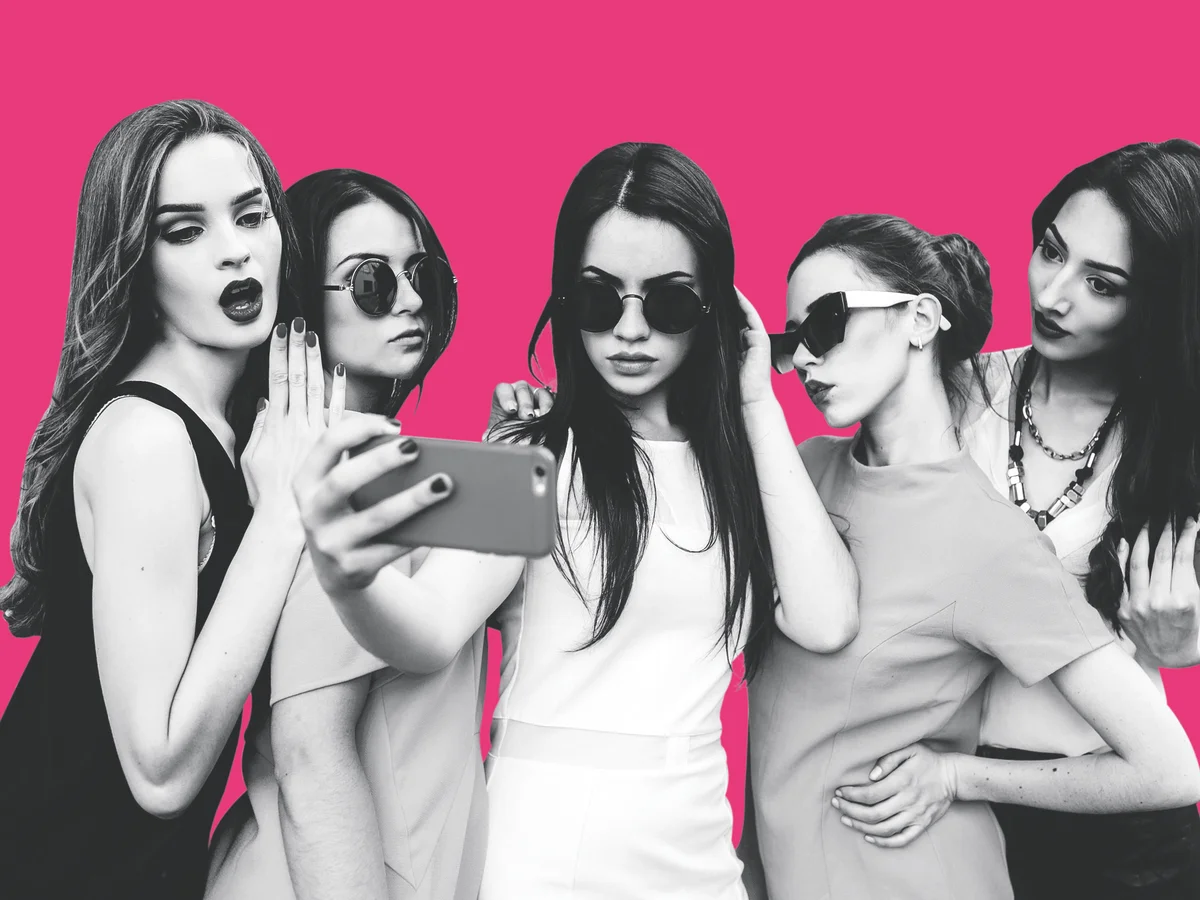
Influencer-owned brands have become the new face of modern marketing in India. From skincare lines to clothing labels and wellness products, social media personalities are turning their popularity into business ventures. But behind the carefully crafted posts and celebrity collaborations lies a growing debate — are these brands built on genuine quality or on the power of influence?
Over the last few years, India’s influencer economy has exploded. With millions of followers and daily engagement, digital creators now hold immense sway over consumer choices. When these influencers launch their own brands, they leverage an existing audience that already trusts them. This built-in credibility often translates into instant sales, something traditional startups struggle to achieve.
However, this trust-based model has its drawbacks. Many influencer-led brands rely more on personal branding than on strong product differentiation. Consumers often buy products because of who’s selling them, not what’s inside. For example, when a beauty influencer releases a new lipstick line, followers may purchase it out of loyalty, even without comparing quality or price.
In Tier 1 and Tier 2 cities, young consumers — especially those between 18 and 30 — are the primary target audience. They see influencer brands as more relatable than legacy corporations. Yet, disappointment often follows when marketing promises don’t match reality. Social media reviews increasingly reveal complaints about pricing, quality inconsistency, and overhyped claims.
The key problem is transparency. Many influencers blur the line between authentic recommendations and business promotion. A product launch may appear personal and passion-driven, but in reality, it’s often backed by investor partnerships or third-party manufacturers handling the entire operation. The influencer becomes the face of the brand, not necessarily its creator.
That said, not every influencer brand falls into this trap. Some creators invest deeply in research, design, and customer experience, treating their businesses as long-term ventures rather than quick profit projects. Brands that prioritize honesty and consistent quality tend to survive beyond the initial buzz. They also use their platforms to engage directly with customers, collecting feedback and making improvements — something large companies often overlook.
For consumers, awareness is essential. Before buying from an influencer-owned brand, it’s worth asking: who’s really behind the product? Is the influencer directly involved in the production and strategy, or just lending their name for marketing? Checking ingredients, user reviews, and pricing across similar products can reveal a lot.
Influencer-led entrepreneurship isn’t inherently misleading — it’s a reflection of how digital trust translates into modern commerce. But as the Indian market matures, audiences are becoming more discerning. The hype may bring visibility, but only authenticity will bring longevity. In the end, a famous face can sell the first product, but only quality can sell the second.