



Now Reading: Tokenisation of Real-World Assets: How Blockchain Could Transform Property, Gold, and Investment in India
-
01
Tokenisation of Real-World Assets: How Blockchain Could Transform Property, Gold, and Investment in India
Tokenisation of Real-World Assets: How Blockchain Could Transform Property, Gold, and Investment in India
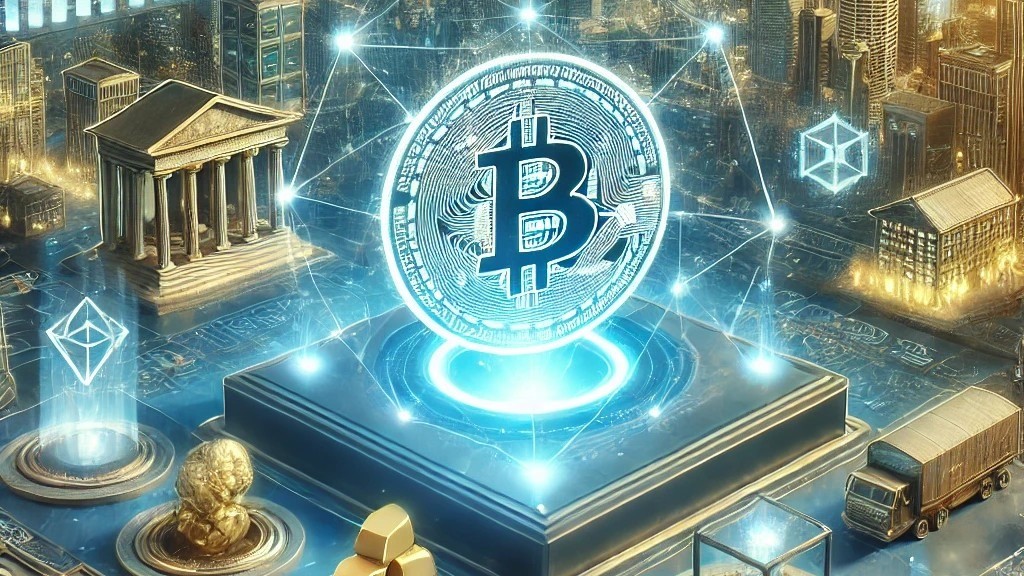
As blockchain technology matures, a new financial concept called tokenisation is beginning to reshape how people think about assets. From real estate and gold to social investment, tokenisation allows physical assets to be represented digitally on the blockchain, making ownership more transparent, secure, and divisible. For India—where property ownership and gold investment hold deep cultural and financial value—this innovation could open new doors for investors, especially in Tier 1 and Tier 2 cities.
India’s economy is deeply rooted in tangible assets. Real estate and gold are seen not just as investments but as legacies. Tokenisation is now introducing a new way to hold and trade these assets digitally. It has the potential to make high-value investments accessible to smaller investors while improving liquidity and accountability.
What Tokenisation Really Means
Tokenisation converts the ownership of a real-world asset into digital tokens stored on a blockchain. Each token represents a fraction of the asset’s value, allowing multiple people to co-own or invest in the same property, gold reserve, or social project. These tokens can be traded or transferred much like cryptocurrency but are backed by real, tangible assets.
In practical terms, this means a person in Pune could own a small share of a commercial building in Mumbai, or an investor in Kochi could buy fractional ownership in a certified gold vault—without the barriers of large capital or complicated paperwork.
How It Could Impact Property Investment
Real estate in India has traditionally been difficult to access due to high entry costs, lack of liquidity, and complex registration processes. Tokenisation could change this by dividing property ownership into smaller, tradable units.
For investors, it creates an opportunity to diversify portfolios and participate in real estate markets that were once out of reach. Developers and property owners could also raise funds faster by offering tokenised shares of their projects. However, legal clarity remains a challenge. Property laws and blockchain-based ownership still operate in separate systems, and integration between them will be crucial for large-scale adoption.
Gold and Traditional Investments on Blockchain
Gold remains one of India’s most trusted forms of investment. With tokenisation, investors can now hold gold digitally while still having the option to redeem it physically. This eliminates issues like storage, purity verification, and liquidity. Tokenised gold can be traded instantly, offering transparency and traceability from vault to investor.
For mid-city investors who prefer stable assets over volatile crypto, tokenised gold presents a familiar yet modern option. It combines the safety of a traditional commodity with the speed and efficiency of blockchain technology.
Social and Community Investments
Beyond property and gold, tokenisation can also support social causes and community-led projects. Local entrepreneurs, artists, and innovators could raise capital by issuing digital tokens that represent a stake or contribution in their venture. For smaller cities, this could foster a more inclusive investment environment—where people can directly fund ideas and projects in their communities without relying on large financial institutions.
Challenges and the Road Ahead
While the concept is promising, India’s regulatory framework is still catching up. There is limited clarity on how tokenised assets will be classified under existing laws related to property, securities, and taxation. Ensuring investor protection, preventing fraud, and verifying asset ownership are key areas that need stronger governance.
Yet, progress is visible. Startups and fintech platforms are experimenting with pilot projects in tokenised real estate and gold. As awareness grows and policies evolve, India could see tokenisation become a bridge between traditional wealth and digital innovation.
Conclusion
Tokenisation of real-world assets represents a major shift in how Indians may invest and own wealth in the coming years. By bringing property, gold, and community investment onto blockchain platforms, the concept promises greater transparency, accessibility, and participation. For cities like Pune, Kochi, and Jaipur, where digital literacy is rising fast, tokenisation could redefine what it means to build and share wealth in a modern, connected India.