







Now Reading: UN Climate Finance Meet Highlights India-China Belt’s Role In Energy Transition
-
01
UN Climate Finance Meet Highlights India-China Belt’s Role In Energy Transition
UN Climate Finance Meet Highlights India-China Belt’s Role In Energy Transition
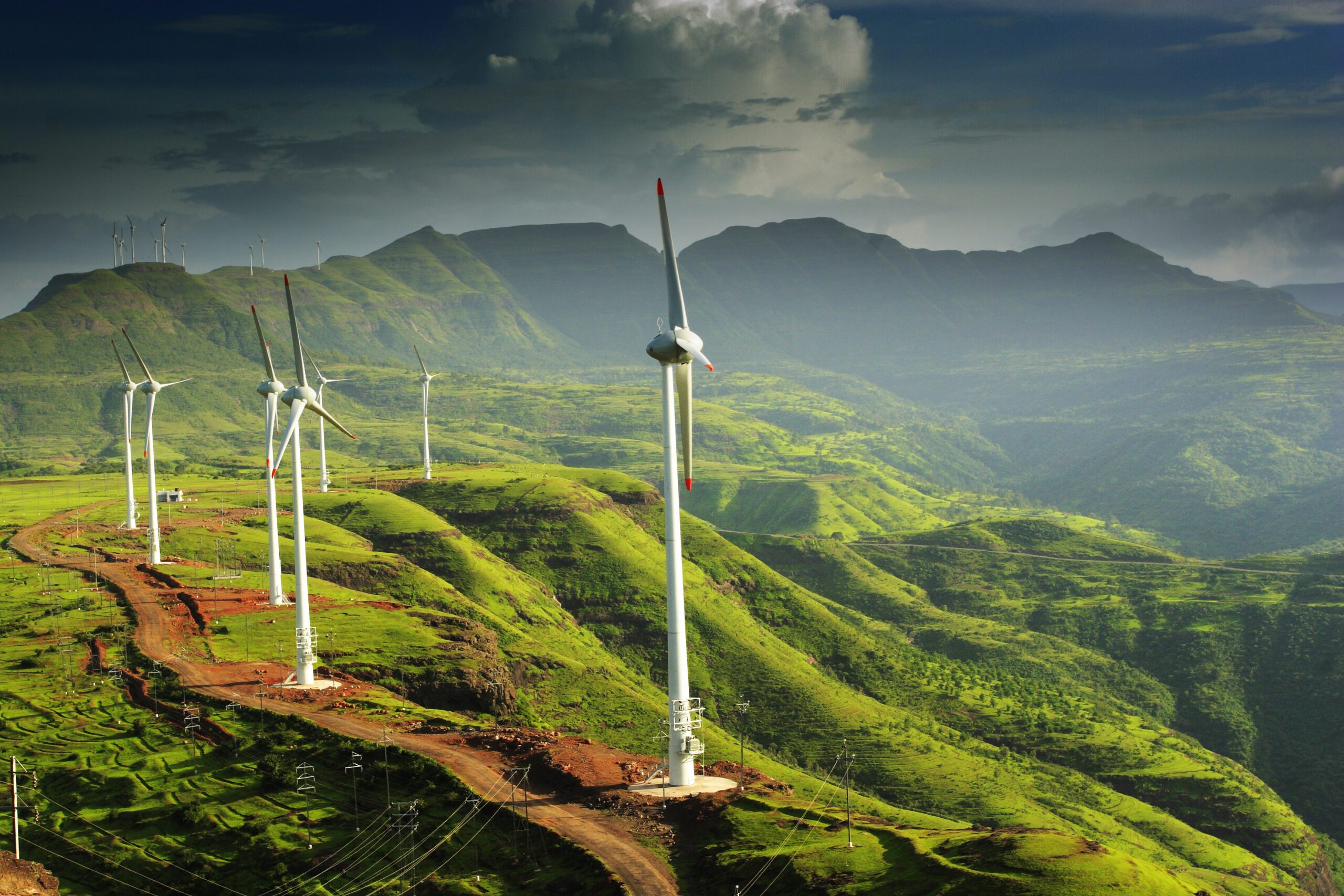
At the recent global climate finance meet, delegates spotlighted the India-China belt as a pivotal player in the global energy transition. Their combined scale in clean technology production and adoption is shaping finance flows and shifting the trajectory of low-carbon investment worldwide.
Why the India-China region featured as a finance focal point
Participants in the climate finance discussions emphasised that the India-China belt now underpins much of the reduction in clean-technology costs and the mobilisation of capital for renewables. India and China together offer vast markets, engineering capacity and policy momentum that attract global investment in solar, wind, batteries and clean mobility. Because of that, the region is now seen not just as a beneficiary of climate finance but as a generator of clean-energy solutions whose scalability influences global finance decisions.
In the context of the meet, the region’s role matters because many emerging economies look to India and China for proof points: can large-scale clean energy roll-outs work, and can they attract private capital at speed? The financial institutions present stressed that the India-China belt is moving from pilot projects to full scale deployment, which changes risk profiles and funding frameworks for other regions.
How clean-energy scale in India and China is influencing finance flows
Both countries have significantly expanded manufacturing of solar panels, wind turbines, batteries and electric vehicles. This manufacturing scale has driven down equipment costs globally, making climate finance more efficient and lowering minimum project sizes. Financial institutions at the meet noted that because costs are now lower, the threshold for viable projects is lower—meaning more projects in smaller markets become bankable.
For example, when module prices drop, solar projects in regions like Africa or Southeast Asia become financially viable with less subsidy support. The India-China belt, by driving that cost reduction, is indirectly unlocking climate finance for many developing countries. Further, their markets themselves are absorbing large sums of investment: renewables, grid modernisation and storage projects require large financing tranches, and global climate funds are now calibrating portfolio allocations accordingly.
What this means for climate finance architecture and developing economies
The traditional architecture of climate finance prioritized grant-like support for high-risk, pioneering projects. But with India and China moving into large-volume deployment, financiers are shifting towards commercial finance, debt, equity and blended instruments that were previously reserved for mature markets. At the meet, officials noted that the India-China belt is acting as a bridge between innovation finance (for early stage technology) and mainstream project finance (for large-scale roll-outs).
For developing economies, this means both opportunities and challenges. On the upside, they can tap technologies de-risked by India or China and adopt models already proven at scale. On the downside, they face competitive pressures: if finance flows concentrate around India and China because they offer scale and lower cost, smaller nations might find finance less available or more expensive unless they adopt similar structures. The meet underlined that ensuring equitable access to climate finance remains a key agenda.
India-China belt’s unique advantages and outstanding issues
The India-China belt benefits from large domestic markets, local engineering capacity and robust policy frameworks that incentivise clean energy investment. India has seen rapid growth in solar capacity, manufacturing intent and export ambitions, while China dominates manufacturing of key clean-tech components globally. Their combined impact means they can influence supply chains, pricing and global deployment patterns.
However, challenges persist. Both nations still rely significantly on fossil fuels, coal in particular, making their transition complex. Further, for climate finance to scale effectively, issues such as domestic regulatory consistency, grid integration, storage deployment and land acquisition need to be addressed. Additionally, while scale is an advantage, it also concentrates systemic risk and exposes the region to global supply-chain shocks, trade disputes and raw-material price fluctuations.
Takeaways
• The India-China belt is now central to global clean-energy investment flows
• Manufacturing scale in India and China is lowering global project costs and unlocking new finance
• Climate finance models are shifting from grant-based to commercial finance, using India-China as reference markets
• Smaller developing countries must align with this shift or risk being sidelined in finance allocations
FAQs
Q: What is meant by the India-China belt in this context?
A: It refers to India and China considered together as a major regional entity impacting global clean-energy supply chains, manufacturing, deployment scale and climate-finance flows.
Q: How does scale in India and China affect climate finance for other countries?
A: When India and China scale up production of clean technologies, global costs fall, making projects in other countries more viable; financiers become more willing to invest in replicable models rather than high-risk pilots.
Q: Does this mean India and China receive all climate finance?
A: Not exclusively. While they attract large investments due to scale and policy frameworks, there remains an urgent need to ensure smaller and less advanced economies also receive fair access to climate finance.
Q: What are the risks if climate finance concentrates around the India-China belt?
A: Concentration may leave smaller nations with higher-finance costs, reduced technological options or delayed deployment. It could also amplify systemic risks tied to supply-chain or policy disruptions in the region.