








Now Reading: UPI Transaction Rules May Change In January, Users Alerted
-
01
UPI Transaction Rules May Change In January, Users Alerted
UPI Transaction Rules May Change In January, Users Alerted
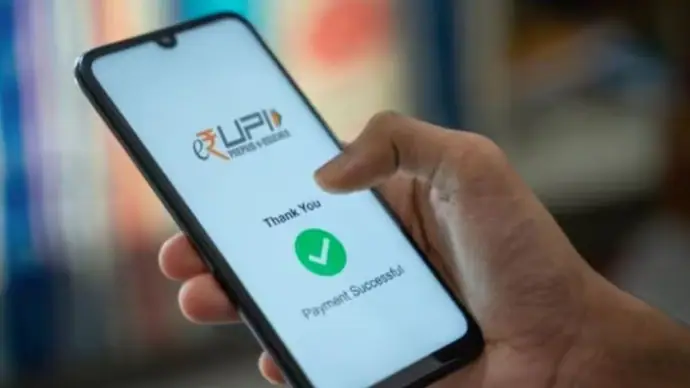
UPI transaction rules may change in January, alerting millions of users who rely on digital payments for daily transactions. Banks and payment platforms are preparing for updated guidelines aimed at improving system stability, fraud control, and user protection as UPI volumes continue to grow.
UPI transaction rules may change in January as regulators and banking networks respond to rising transaction load, failed payment complaints, and security risks. While core UPI functionality will remain intact, users may notice procedural and compliance-related changes affecting everyday usage.
Why UPI transaction rules are being reviewed now
The review of UPI transaction rules comes at a time when India’s digital payments ecosystem is handling record-breaking volumes. UPI has become the default payment method for peer-to-peer transfers, merchant payments, bill settlements, and small-value retail transactions.
With scale has come pressure. Banks have reported increased cases of transaction failures, delayed reversals, and fraud attempts using social engineering techniques. Regulators are therefore focusing on tightening operational discipline without disrupting user convenience.
January is often chosen for such updates as it aligns with annual system audits, backend upgrades, and policy rollouts across banks and payment service providers.
Possible changes users should be prepared for
If UPI transaction rules change in January, users may experience stricter controls around transaction frequency, verification, and limits. One area under discussion is enhanced checks for high-frequency or unusually patterned transactions to detect fraud early.
Some users may be required to reconfirm bank account details or app permissions, particularly if accounts have remained inactive for long periods. Transaction time windows during peak hours may also be optimised to reduce system congestion.
These changes are expected to be procedural rather than restrictive, but users who ignore app alerts or update prompts could face temporary disruptions.
Impact on daily users and small merchants
For regular users, the immediate impact of UPI transaction rule changes is expected to be minimal if apps are kept updated and accounts remain compliant. Daily transfers, QR payments, and bill payments should continue as usual.
Small merchants, however, may need to pay closer attention. Settlement cycles, transaction reconciliation, and dispute resolution processes could see minor adjustments. Merchants operating with outdated apps or inactive linked accounts may face delays until compliance steps are completed.
Digital payment providers are expected to notify merchants in advance to avoid confusion during the transition.
Focus on fraud prevention and user safety
A major reason UPI transaction rules may change in January is the rising number of fraud complaints. Scam tactics involving fake collect requests, screen sharing, and impersonation have prompted regulators to push for stronger safeguards.
Upcoming measures could include clearer transaction prompts, delayed processing for suspicious transfers, and tighter controls on collect request approvals. These steps aim to give users more time to verify transactions before money is debited.
Banks are also likely to enhance real-time alerts and grievance redress mechanisms as part of the broader update.
What banks and payment apps are doing differently
Banks and UPI apps are currently testing backend changes to support any new rules smoothly. This includes system upgrades, better load balancing, and faster failure detection mechanisms.
Payment apps may also revise user interface elements to make transaction confirmations clearer. Some apps could introduce mandatory periodic verification steps, especially for high-value or frequent users.
These changes are designed to strengthen trust in the system as UPI continues to expand into new use cases such as credit-linked payments and recurring mandates.
What users should do before January
As UPI transaction rules may change in January, users are advised to take basic precautionary steps. Keeping UPI apps updated is essential, as many changes are implemented through app-level upgrades.
Users should also verify that their bank account details, mobile numbers, and device permissions are accurate and active. Enabling notifications and alerts can help users stay informed about any changes affecting transactions.
Avoiding rushed approvals and carefully reviewing payment requests will remain critical, regardless of rule changes.
Will these changes affect transaction limits
There is no indication that standard UPI transaction limits will be reduced across the board. However, additional checks for high-value or repeated transactions may be introduced.
Any limit-related changes would likely target risk management rather than everyday usage. Regulators have consistently stated that convenience should not be compromised while strengthening system safety.
Users making regular low to medium value transactions are unlikely to see any noticeable restriction.
What this means for the future of UPI
The possibility that UPI transaction rules may change in January reflects the system’s maturity rather than instability. As digital payments become central to India’s economy, periodic rule updates are expected.
These adjustments aim to make UPI more resilient, secure, and scalable for future growth. With new features and higher transaction volumes on the horizon, rule refinement is part of long-term system sustainability.
For users, staying informed and compliant will ensure uninterrupted access to one of the world’s most advanced real-time payment systems.
Takeaways
- UPI transaction rules may change in January to improve security and stability
- Daily users likely to see minimal disruption if apps are updated
- Fraud prevention and system efficiency are key focus areas
- Users should verify account details and follow app notifications
FAQs
Will UPI stop working if rules change in January?
No, UPI services will continue. Users may only need to complete minor compliance or verification steps.
Do users need to re-register their UPI accounts?
Re-registration is unlikely, but some users may be asked to reconfirm details within their apps.
Will transaction limits be reduced?
There is no indication of a blanket reduction in limits, though additional checks may apply to certain transactions.
How will users be informed about rule changes?
Banks and payment apps are expected to notify users through in-app messages and alerts.