



Now Reading: Uttar Pradesh Draft Voter List Release Amid Key BJP Leadership Meeting
-
01
Uttar Pradesh Draft Voter List Release Amid Key BJP Leadership Meeting
Uttar Pradesh Draft Voter List Release Amid Key BJP Leadership Meeting
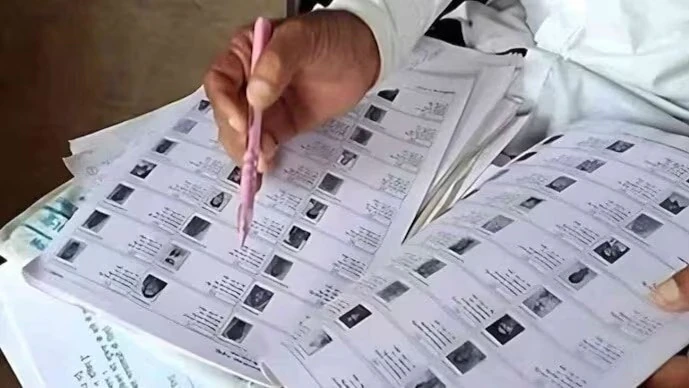
The Uttar Pradesh draft voter list is set to be published as the Bharatiya Janata Party’s top leadership holds a crucial closed-door meeting, giving the exercise immediate political significance ahead of upcoming electoral milestones in the state.
The publication of the draft voter list in Uttar Pradesh is a routine but strategically important step in the electoral process. It determines who is eligible to vote, flags deletions or additions, and sets the foundation for final rolls. This time, the timing has drawn attention because it coincides with a high-level BJP leadership meeting focused on political strategy, governance feedback, and organisational preparedness.
Draft Voter List Release and Election Commission Process
The draft voter list is prepared under the supervision of the Election Commission of India and published to allow public scrutiny. Citizens can check their names, verify details, and file claims or objections within a fixed window. Booth Level Officers play a central role in collecting field data, verifying residences, and correcting demographic details.
In Uttar Pradesh, India’s most populous state, even marginal changes in voter rolls can affect thousands of polling booths. The current revision exercise follows standard guidelines and includes new voters who turned 18, internal migrants, and corrections related to deaths or relocation. Once the draft is released, political parties typically mobilise cadres to verify entries and assist supporters in filing objections where required.
BJP Brass Meet Timing Raises Political Interest
The BJP leadership meeting taking place alongside the draft voter list publication has added a layer of political interest. Such meetings usually involve reviewing booth-level organisation, caste and community outreach, and feedback from district units. Voter list accuracy is a recurring agenda item because it directly impacts ground mobilisation.
For the ruling party, access to updated draft rolls allows early identification of areas with unexpected deletions, low youth registration, or demographic shifts. This helps fine-tune outreach strategies, particularly in urban seats and politically sensitive rural belts. Opposition parties are also expected to scrutinise the list closely to flag alleged irregularities or administrative lapses.
Administrative Significance for District Machinery
From an administrative standpoint, the draft voter list release puts district election officers and local administration under pressure. Errors in names, addresses, or polling station allocation can trigger complaints and legal challenges. In previous cycles, delays in corrections or uneven verification have drawn criticism from civil society groups and political parties alike.
The Election Commission has repeatedly emphasised transparency, urging citizens to use both online portals and offline forms to verify their details. Special drives are usually conducted at polling stations and public offices to assist elderly voters, persons with disabilities, and first-time voters.
Impact on Upcoming Political Roadmap
Although the draft voter list is not the final roll, its publication often signals the start of intensified political activity. Parties begin booth mapping, volunteer allocation, and voter contact programmes based on preliminary data. In Uttar Pradesh, where elections are highly competitive, this phase often shapes micro-level strategies months in advance.
The coincidence with the BJP leadership meeting suggests that voter data, organisational feedback, and electoral preparedness are being reviewed in parallel. While the Election Commission maintains neutrality and procedural independence, political actors naturally interpret such timelines through a strategic lens.
Public Participation and Objection Window
For voters, the draft list release is the most important opportunity to ensure their right to vote is protected. The objection window allows corrections to spelling errors, age discrepancies, and polling station changes. Applications for inclusion and deletion are scrutinised before the final roll is published.
Failure to check the draft list can result in voters discovering issues only on polling day, when corrections are no longer possible. Authorities have advised citizens to verify details early and assist family members who may not have digital access.
What Comes After the Draft Publication
Once the objection period closes, election officials process claims and conduct field verification where necessary. The final voter list is then published and used for all subsequent electoral exercises. Political parties adjust their strategies based on the final data, and campaign machinery moves into higher gear.
In Uttar Pradesh, where electoral margins can be slim in key constituencies, the accuracy of the voter list remains a decisive factor. The current exercise, unfolding alongside significant political consultations, is being watched closely across the political spectrum.
Takeaways
The draft voter list allows citizens to verify and correct their voting details before finalisation
Timing alongside the BJP leadership meeting has heightened political attention
District election officials face scrutiny over accuracy and transparency
Early verification helps prevent last-minute voter disenfranchisement
FAQs
What is a draft voter list?
It is a preliminary electoral roll published for public verification before the final voter list is issued.
Why is the draft voter list important?
It determines who can vote and provides a window to correct errors or add missing names.
Can voters still be added after the draft list?
Yes, eligible voters can apply for inclusion during the objection and claims period.
Does political timing affect the voter list process?
The process is governed by election rules, but political parties closely analyse the data for strategy.