







Now Reading: Why Cryptocurrency Became a Psychological Trap for Modern Investors
-
01
Why Cryptocurrency Became a Psychological Trap for Modern Investors
Why Cryptocurrency Became a Psychological Trap for Modern Investors
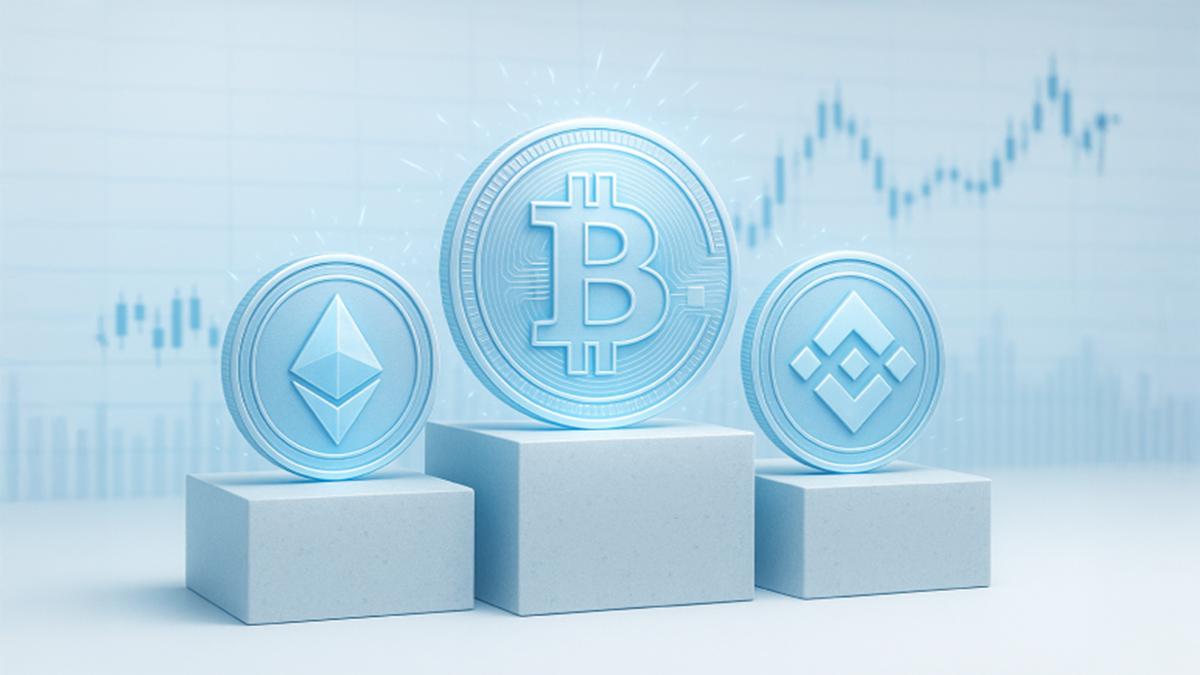
Cryptocurrency began as a symbol of financial freedom and innovation, but over time, it has turned into a psychological maze for millions of investors. What started as a promise to decentralize wealth has evolved into an emotional cycle of fear, greed, and obsession. For many, crypto trading is no longer just about money — it’s about validation, thrill, and hope.
The Emotional Pull of Digital Gold
The volatility of cryptocurrencies like Bitcoin and Ethereum creates an addictive loop. Every surge feels like a jackpot, and every dip feels like a personal loss. This emotional rollercoaster keeps investors glued to their screens, refreshing price charts multiple times a day. It’s not just financial interest anymore — it’s dopamine-driven behavior, similar to gambling. People chase the high of profit, often ignoring the risks or fundamentals behind the tokens they buy.
The Illusion of Quick Wealth
The crypto world feeds on stories of overnight success — a student turning millionaire, or a small investment multiplying tenfold. These stories dominate social media, creating unrealistic expectations. When reality fails to match the fantasy, frustration and loss follow. This constant exposure to “success posts” pushes investors to take higher risks, believing they might be next. In India, where many first-time traders joined during the 2021 bull run, this dream quickly turned into disillusionment after major market crashes.
Fear of Missing Out: The Strongest Trap
FOMO — the fear of missing out — is one of crypto’s biggest psychological hooks. Even experienced investors find it difficult to resist when a new token starts trending or influencers start hyping a project. The pressure to act fast before prices rise further drives impulsive buying. In Tier 1 and Tier 2 Indian cities, social media platforms like Telegram, Instagram, and YouTube amplify this behavior, where crypto influencers promise “next big coins” daily. Many investors don’t realize they are being subtly manipulated by emotional marketing disguised as expert advice.
The Cycle of Hope and Regret
Crypto markets move fast, and that speed fuels emotional reactions. When prices rise, people celebrate; when they fall, panic spreads. This constant swing between optimism and despair keeps users trapped in a cycle. Some even develop what psychologists call “loss chasing” — investing more after a loss to recover quickly, which often leads to deeper losses. It’s not just about logic anymore; it’s emotional dependency disguised as financial strategy.
Why It’s Hard to Walk Away
The crypto ecosystem is designed to keep people engaged — 24/7 markets, live-trading apps, price alerts, and online communities create a sense of belonging. For some, it becomes a part of identity. Even after losses, many hesitate to quit, hoping for one last recovery. This attachment makes it psychologically harder to exit than to enter.
A Lesson in Emotional Awareness
The rise and fall of cryptocurrencies highlight how easily human behavior can be influenced by money, emotion, and technology. The trap lies not in the market itself, but in how it plays on the human mind — our desire for quick success, recognition, and control.
In the end, cryptocurrency is not just a financial experiment. It’s a psychological mirror reflecting the modern investor’s impulses. Understanding that distinction might be the first real profit anyone can make in the crypto world.