





Now Reading: Why Local Markets Are Struggling Against the Rise of E-Commerce
-
01
Why Local Markets Are Struggling Against the Rise of E-Commerce
Why Local Markets Are Struggling Against the Rise of E-Commerce

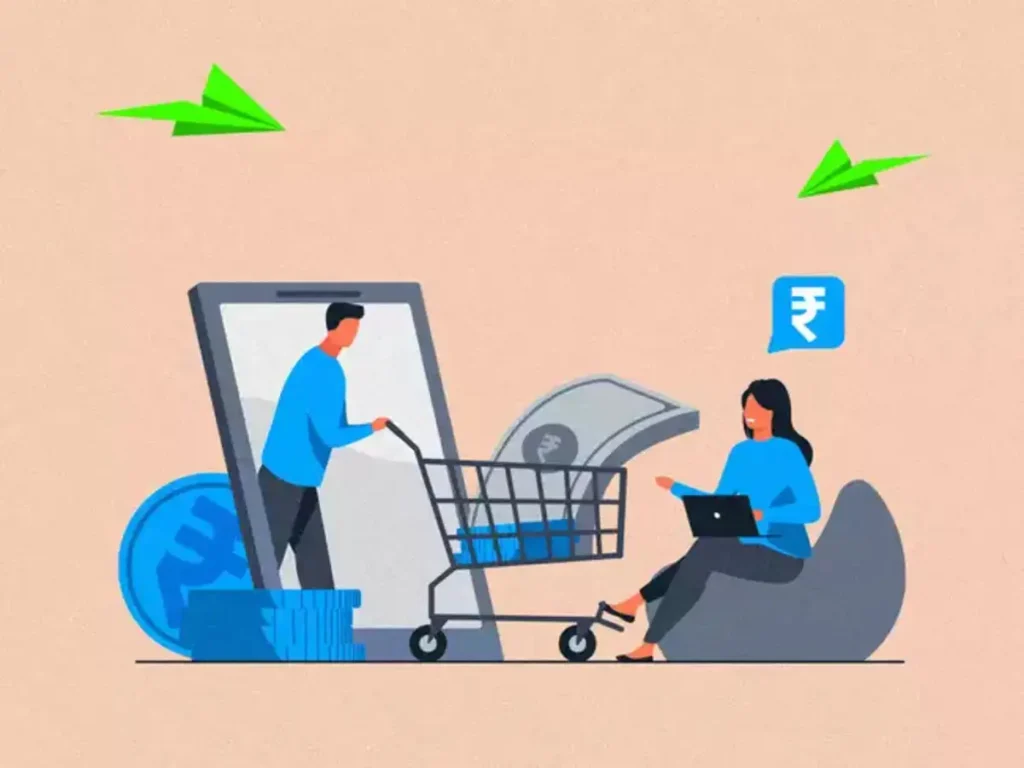
Local markets have long been the heartbeat of India’s economy. From small kirana stores to bustling bazaars, they have shaped the daily lives of millions. But in recent years, the rapid rise of e-commerce has quietly reshaped how Indians shop. Convenience, discounts, and doorstep delivery have turned online platforms into serious competitors, leaving traditional markets struggling to keep up.
The transformation began with the spread of affordable internet and smartphones. E-commerce giants offered massive discounts, easy returns, and a variety of products that local stores couldn’t match. For urban consumers, shopping online became more than just a convenience—it became a habit. Even Tier 2 and Tier 3 cities, once dependent on local stores, are now seeing a major shift as digital payments and logistics networks expand.
For small business owners, this shift has been both challenging and unsettling. Local retailers operate with tight margins and limited inventory. Competing with the deep discounts and promotional campaigns of large online platforms often feels impossible. Many shopkeepers report a steady decline in foot traffic, especially for electronics, fashion, and household goods. Customers now browse products in stores but make final purchases online for better prices.
The problem isn’t just pricing—it’s perception. Online platforms offer transparency through customer reviews, product comparisons, and hassle-free exchanges. Traditional markets, in contrast, rely heavily on personal relationships and trust. Younger shoppers, who prefer digital convenience over negotiation, find the offline experience outdated. This generational shift has accelerated the decline of local markets, particularly in metros and semi-urban areas.
However, the story isn’t entirely one-sided. E-commerce has also opened doors for local sellers who have adapted to the digital shift. Thousands of small businesses now use platforms like Amazon, Flipkart, and Meesho to reach national and even global audiences. The government’s Open Network for Digital Commerce (ONDC) aims to level the playing field by bringing small vendors online without the dominance of large corporations.
Despite these efforts, challenges remain. Many local sellers lack the digital skills, resources, or awareness to effectively operate online. Internet access is still inconsistent in some areas, and delivery logistics can be unreliable for smaller towns. Moreover, emotional factors—like the social connection and trust between local sellers and buyers—are difficult to replicate in the digital world.
What this really means is that India’s retail future will likely be hybrid. Consumers will continue to enjoy the ease of e-commerce, but there’s still space for local markets that offer personal service, instant purchases, and cultural familiarity. For traditional retailers, survival depends on adapting—embracing digital tools, joining online marketplaces, and improving the shopping experience.
The struggle between local markets and e-commerce isn’t just about sales—it’s about identity. As India’s economy becomes more digital, finding a balance between tradition and technology will define how millions shop, sell, and sustain their livelihoods in the years to come.