





Now Reading: Why Planned Obsolescence Keeps You Buying More
-
01
Why Planned Obsolescence Keeps You Buying More
Why Planned Obsolescence Keeps You Buying More
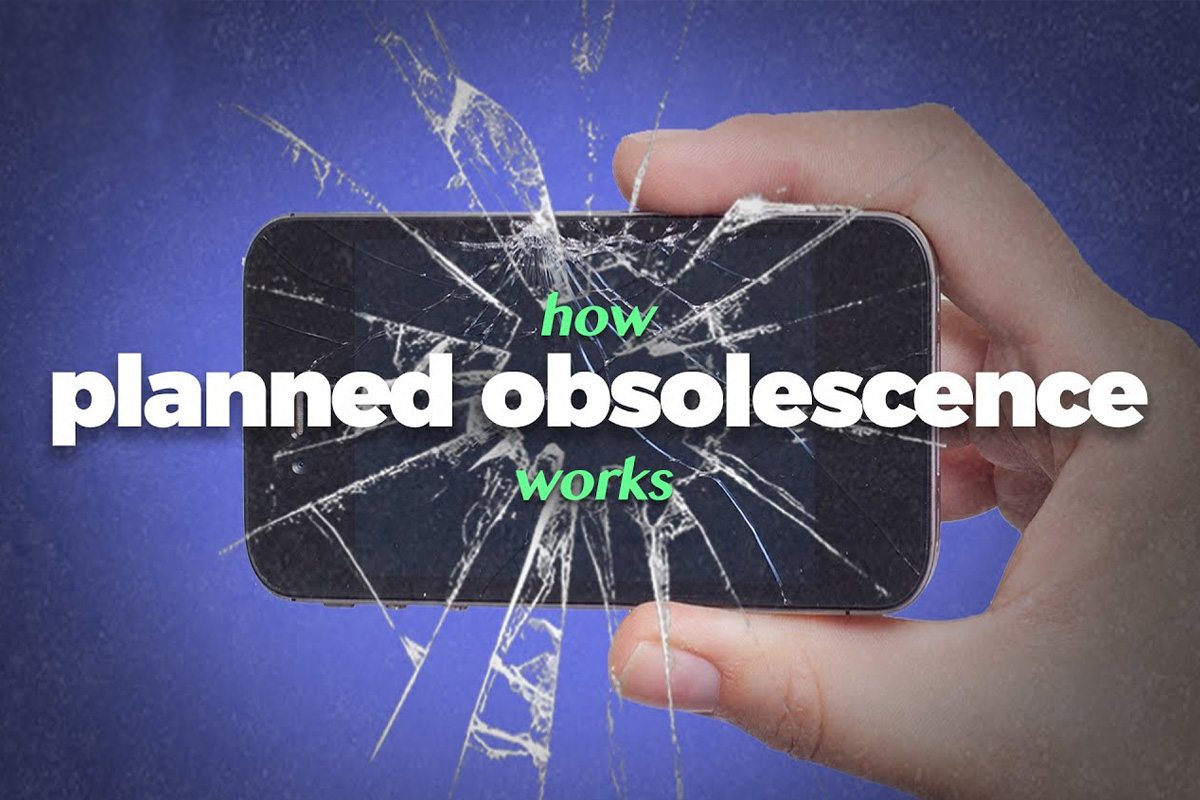
Every year, new versions of the same products — smartphones, laptops, or even washing machines — flood the market, making your perfectly functional gadgets feel outdated. This isn’t just technological progress; it’s a calculated business strategy known as planned obsolescence. Companies design products to have limited lifespans or to lose relevance over time, subtly pushing consumers to buy newer versions sooner than necessary.
Planned obsolescence has become a quiet but powerful driver of consumer spending. In simple terms, it means products are deliberately made to wear out, slow down, or become incompatible after a certain period. Whether it’s a phone battery that fails after two years or software updates that stop supporting older models, the idea is to shorten the replacement cycle and keep the sales curve rising.
In India, this trend has become more visible with the rapid adoption of consumer electronics. Urban buyers in cities like Mumbai, Delhi, and Bengaluru often replace gadgets long before they stop working. For many, it’s not just about functionality but also about staying up-to-date or maintaining a certain social image. Marketers know this — and they build entire campaigns around it.
The practice isn’t limited to electronics. In fashion, fast-changing trends encourage frequent wardrobe replacements. In appliances, small design tweaks or model changes make older versions seem obsolete. Even software companies use updates to phase out compatibility with older hardware, nudging users toward costly upgrades.
While companies defend planned obsolescence as necessary for innovation and economic growth, critics call it wasteful and exploitative. Constant replacement of products fuels electronic waste, which has become a serious environmental concern in India. According to industry reports, the country generates over a million tonnes of e-waste annually, much of it from discarded devices that could have lasted longer with minor repairs.
The financial impact on consumers is equally significant. What appears to be “choice” is often engineered dependency. When batteries are non-removable, spare parts are overpriced, or software slows older devices, people are left with little option but to buy new ones. Repair culture, once common in India, has declined because modern gadgets are harder to fix or designed to discourage repair altogether.
However, awareness about the issue is slowly growing. Independent repair shops, sustainable tech advocates, and “right-to-repair” movements are challenging corporate control over product life cycles. The Indian government has also started addressing this through policy discussions around repairability and electronic waste management.
For now, planned obsolescence remains an accepted — and often unnoticed — part of the modern economy. It thrives on convenience, consumer psychology, and the illusion of progress. The next time your phone slows down or your appliance “ages out,” it may not be by accident. It could be part of a well-crafted plan to keep you buying more, even when you don’t really need to.