







Now Reading: Why Scammers Love WhatsApp Groups
-
01
Why Scammers Love WhatsApp Groups
Why Scammers Love WhatsApp Groups

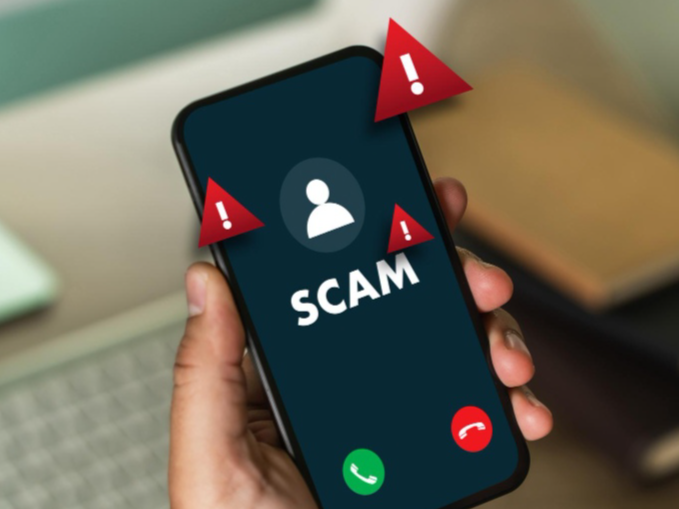
WhatsApp groups have become the new hunting ground for online scammers. What started as a simple way to stay connected with family, friends, and communities has turned into a playground for fraudsters who know how to exploit trust and familiarity. From fake investment schemes to phishing links, scams on WhatsApp groups are spreading faster than ever, especially across Tier 2 cities where people rely on word-of-mouth and community networks.
Scammers often enter public or semi-open groups—such as those for local businesses, housing societies, or job updates—posing as genuine members. They share links claiming to offer rewards, discounts, or government benefits, but these links often lead to malicious websites designed to steal data or install spyware on devices. Because messages come from known group members, people are more likely to click without second thoughts.
One of the most common tricks involves fake job offers or part-time earning schemes. Many people in smaller towns fall for such traps, thinking the opportunity is real because someone in their group shared it. The scammers then ask for registration fees or personal documents, leading to financial loss or identity theft.
Even family and community groups are not entirely safe. Fraudsters use display pictures, names, and profile details copied from real contacts to impersonate trusted people. They send urgent messages asking for money transfers or personal information, and unsuspecting members often respond out of emotion or fear.
The reason WhatsApp groups attract scammers is simple—access and trust. Unlike social media platforms, WhatsApp offers direct contact and instant credibility through personal networks. That combination makes it easier for fraudsters to manipulate emotions and push their agenda.
To stay safe, users should always verify unknown numbers, avoid clicking on unsolicited links, and never share personal or banking details through group messages. Administrators can also help by restricting who can post in large groups and removing suspicious numbers.
In the end, every WhatsApp group works on trust—but it only takes one scammer to break it. Staying alert is no longer optional; it’s the only way to keep our digital circles truly safe.