







Now Reading: Winter Health Advisory Issued as Flu and Cold Cases Increase
-
01
Winter Health Advisory Issued as Flu and Cold Cases Increase
Winter Health Advisory Issued as Flu and Cold Cases Increase
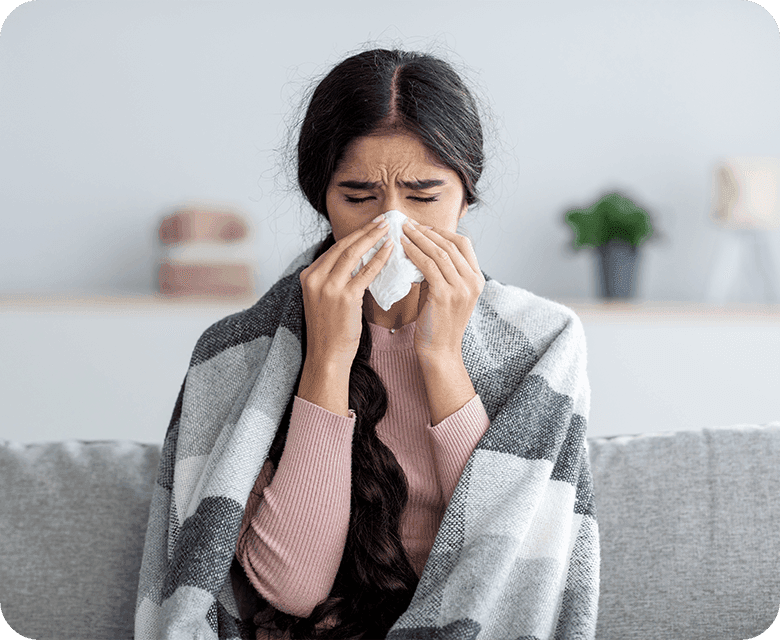
A winter health advisory has been issued as flu and cold cases increase across several regions, prompting health authorities to urge caution during the peak season. Falling temperatures, crowded indoor spaces, and poor air quality are contributing to a sharp rise in seasonal infections.
Winter health advisory guidelines come at a time when hospitals and clinics are reporting higher outpatient numbers for fever, cough, sore throat, and respiratory discomfort. Doctors note that while most cases are mild, delayed treatment and self medication are leading to complications among vulnerable groups such as children, senior citizens, and people with existing health conditions.
Seasonal Infections Rise With Falling Temperatures
The increase in flu and cold cases is closely linked to weather conditions typical of winter months. Low temperatures help respiratory viruses survive longer in the environment, increasing the chances of transmission. People also tend to spend more time indoors with limited ventilation, making it easier for infections to spread.
Medical professionals say that influenza like illnesses often peak during winter due to weakened immune responses caused by cold weather and reduced sunlight exposure. Dry air irritates nasal passages and throat lining, making them more susceptible to infection. These factors combined have led health departments to issue advisories focused on prevention and early care.
Key Symptoms and When to Seek Medical Attention
According to the winter health advisory, common symptoms include persistent cough, runny or blocked nose, fever, headache, body aches, and fatigue. In many cases, symptoms resolve within a few days with rest and hydration. However, authorities warn against ignoring warning signs.
Breathing difficulty, chest pain, prolonged fever, or sudden weakness require immediate medical attention. Children experiencing high fever or reduced activity levels and elderly individuals with worsening symptoms should be monitored closely. Health officials stress that timely diagnosis helps prevent secondary infections such as bronchitis or pneumonia.
Preventive Measures Emphasised in Advisory
The advisory outlines simple but effective preventive steps to reduce infection risk. Regular hand washing, wearing masks in crowded places, and maintaining personal hygiene are strongly recommended. Covering the mouth and nose while coughing or sneezing helps prevent the spread of droplets carrying viruses.
Doctors also advise avoiding unnecessary exposure to cold air, especially early mornings and late nights. Warm clothing, including scarves and caps, helps regulate body temperature. Maintaining indoor ventilation, even during cold weather, is important to reduce viral concentration in enclosed spaces.
Diet, Hydration, and Immunity During Winter
Nutrition plays a critical role in winter health management. The advisory highlights the importance of a balanced diet rich in vitamins and minerals. Seasonal fruits, vegetables, nuts, and protein sources help strengthen immunity and aid recovery.
Staying hydrated is equally important, even though thirst levels may feel lower during winter. Warm fluids such as soups and herbal drinks can help soothe the throat and maintain hydration. Health experts caution against excessive use of antibiotics, stating that most cold and flu infections are viral and do not require such medication unless prescribed.
High Risk Groups and Extra Precautions
Certain groups face higher risks during the winter flu season. Elderly individuals, pregnant women, young children, and people with asthma, diabetes, or heart conditions are advised to take extra precautions. Regular health checkups and adherence to prescribed medications are essential for these groups.
Vaccination against seasonal influenza is also encouraged for high risk individuals. While vaccines do not prevent all infections, they significantly reduce severity and complications. Health authorities have urged families to monitor vulnerable members closely and seek medical advice at the earliest sign of illness.
Public Health Readiness and Advisory Compliance
Hospitals and primary health centers have been advised to remain prepared for increased patient flow during winter. Availability of essential medicines, diagnostic facilities, and awareness programs are part of the seasonal preparedness plan. Public messaging focuses on discouraging panic while promoting responsible health behavior.
Officials stress that public cooperation is key to managing seasonal illness trends. Simple preventive habits, early reporting of symptoms, and avoiding crowded places when unwell can collectively reduce the burden on healthcare systems. The advisory serves as a reminder that winter illnesses are manageable with timely care and informed choices.
Takeaways
- Winter health advisory issued due to rising flu and cold cases
- Cold weather and indoor crowding are key factors behind infections
- Early medical attention helps prevent serious complications
- Preventive care and immunity support are crucial during winter
FAQs
Why do flu and cold cases increase in winter?
Cold temperatures help viruses survive longer, and people spend more time indoors, increasing transmission risk.
Who should be extra cautious during winter illnesses?
Elderly individuals, children, pregnant women, and people with chronic health conditions need extra care.
Do all flu and cold cases require antibiotics?
No, most are viral infections and recover with rest and supportive care unless a doctor advises otherwise.
Can flu vaccines help during winter?
Yes, vaccination reduces the severity and risk of complications, especially for high risk groups.