







Now Reading: Winter Health Alert: Rising Flu and Viral Cases Across Indian Cities
-
01
Winter Health Alert: Rising Flu and Viral Cases Across Indian Cities
Winter Health Alert: Rising Flu and Viral Cases Across Indian Cities
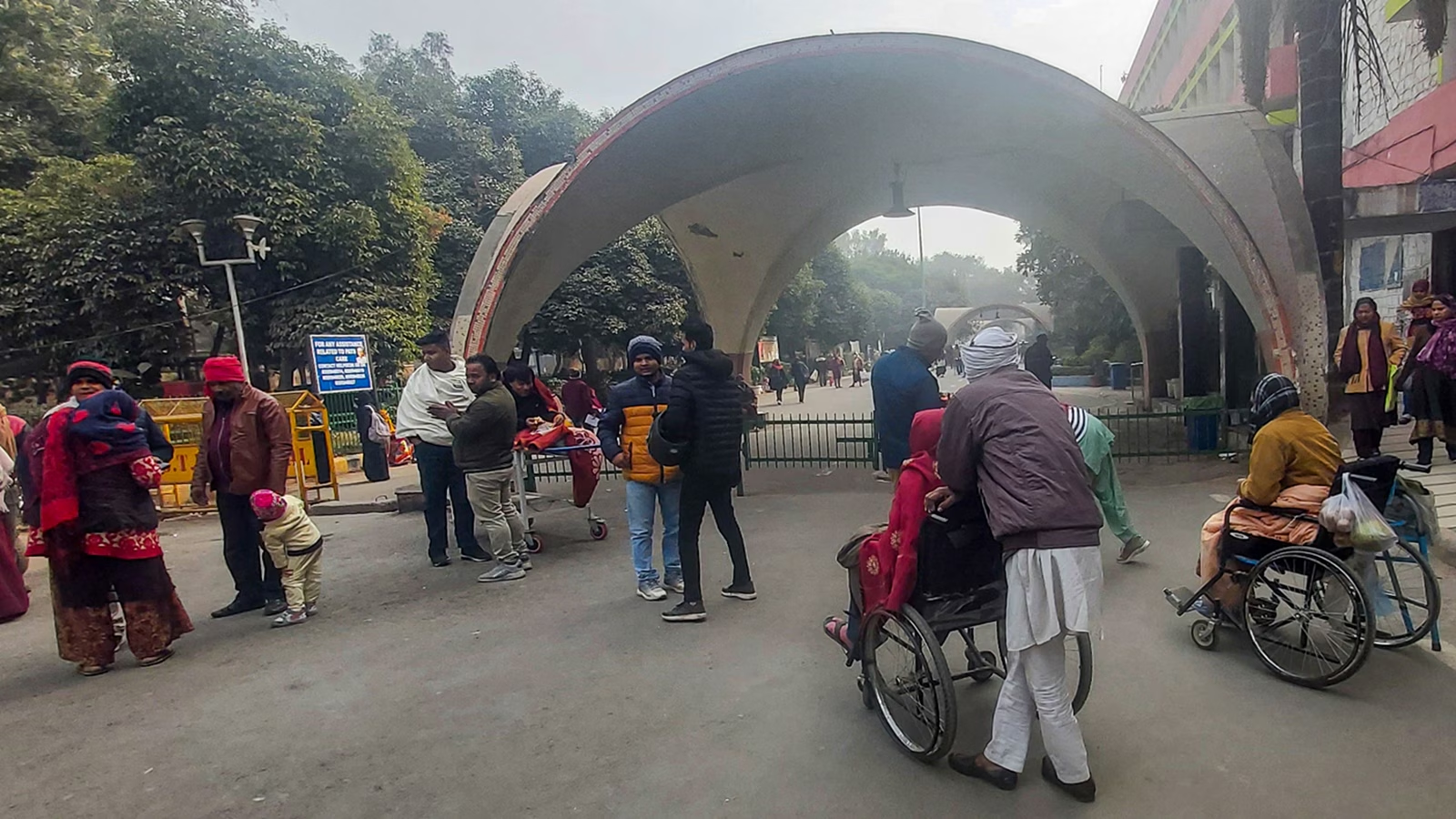
Winter health alert has been issued across multiple Indian cities as flu and viral infections rise sharply with falling temperatures. Hospitals are reporting higher outpatient loads, while doctors advise early care, vaccination, and preventive hygiene to limit seasonal illness spread.
Seasonal Spike in Flu and Viral Infections
The winter health alert is driven by a clear seasonal surge in flu, common cold, and viral fever cases across urban India. Cooler temperatures, low humidity, and increased indoor crowding create ideal conditions for respiratory viruses to spread. Cities with dense populations and high daily mobility are seeing the sharpest rise.
Clinicians report that influenza-like illness is affecting all age groups, with children, elderly individuals, and those with chronic conditions facing higher risk of complications. While most cases remain mild, the volume of infections has put pressure on clinics, diagnostic labs, and pharmacies.
Symptoms Being Reported Across Cities
Doctors across Indian cities are seeing a consistent symptom pattern. Common complaints include fever, sore throat, persistent cough, body aches, fatigue, and nasal congestion. In some cases, gastrointestinal symptoms such as nausea and loose motions are also being reported, particularly among children.
A notable trend this winter is the longer recovery period. Patients are taking more time to return to normal activity levels, especially those with weak immunity or existing respiratory issues. This has increased absenteeism in schools and workplaces.
Why Winter Increases Infection Risk
Winter conditions directly impact how viruses survive and spread. Colder air helps viruses remain active longer, while dry air affects nasal passages, reducing natural defense mechanisms. People also tend to stay indoors with limited ventilation, increasing exposure to infected droplets.
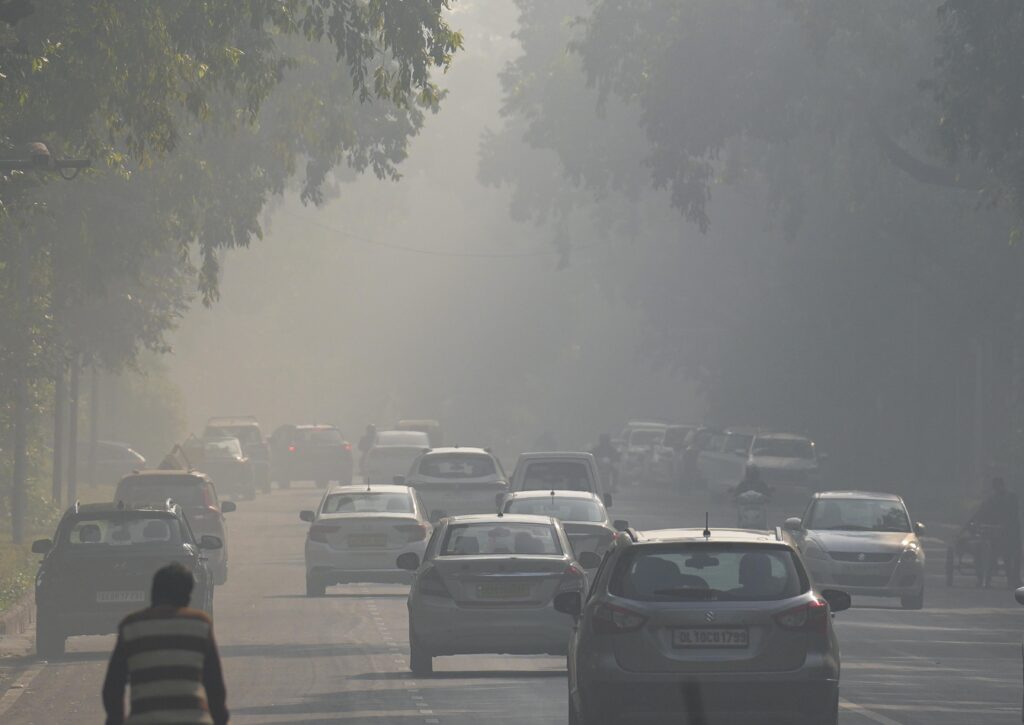
Another factor is weakened immunity due to seasonal changes in diet, reduced sunlight exposure, and lower vitamin D levels. Combined with high pollution levels in some cities, respiratory health becomes more vulnerable during winter months.
Cities Reporting Higher Case Loads
Metro cities and large urban centres are reporting the highest number of cases due to population density and public transport use. Tier 2 cities are also seeing a steady rise as winter sets in fully. Hospitals have noted an increase in pediatric consultations, particularly for viral fever and upper respiratory tract infections.
Local health authorities are closely monitoring trends to prevent outbreaks from overwhelming healthcare facilities. While there is no indication of severe public health emergency, early intervention remains critical.
Medical Advice and Treatment Approach
Doctors advise against self-medication, especially the misuse of antibiotics, which are ineffective against viral infections. Treatment typically focuses on symptom management, hydration, adequate rest, and monitoring for warning signs such as breathlessness or prolonged high fever.
In cases of influenza, early diagnosis helps guide appropriate antiviral use for high-risk patients. Physicians are also recommending flu vaccination for vulnerable groups, including senior citizens, pregnant women, and individuals with chronic illnesses.
Preventive Measures for Individuals and Families
Preventive care remains the most effective response to the winter health alert. Regular handwashing, mask use in crowded spaces, and avoiding close contact with symptomatic individuals significantly reduce infection risk. Maintaining indoor ventilation, even during cold weather, is strongly recommended.
Dietary support also plays a role. Consuming warm, nutritious meals, staying hydrated, and ensuring adequate sleep help strengthen immune response. Parents are advised to monitor children closely and avoid sending them to school if symptoms appear.
Impact on Schools and Workplaces
Schools in several cities have reported increased absenteeism due to flu and viral fever. Some institutions are reinforcing hygiene protocols and advising parents to keep unwell children at home. Offices are encouraging flexible work options to reduce transmission during peak illness periods.
Workplace outbreaks can disrupt productivity, making preventive policies an operational necessity rather than a health formality. Employers are being urged to promote early reporting of symptoms and avoid pressuring sick employees to attend work.
When to Seek Medical Attention
Most viral infections resolve within a week, but medical attention is necessary if symptoms worsen or persist. High fever lasting more than three days, difficulty breathing, chest pain, dehydration, or confusion are warning signs that require immediate evaluation.
Elderly patients and those with asthma, diabetes, heart disease, or compromised immunity should consult a doctor early even for mild symptoms to avoid complications.
Outlook for the Remainder of Winter
Health experts expect flu and viral cases to remain elevated through the peak winter months. Case numbers are likely to fluctuate based on temperature changes, pollution levels, and public adherence to preventive measures.
The current winter health alert is a reminder that seasonal illnesses should not be underestimated. Timely care, responsible behavior, and basic hygiene remain the most reliable defenses.
Takeaways
- Winter health alert highlights a sharp rise in flu and viral cases
- Children, elderly, and high-risk individuals face higher complications
- Preventive hygiene and early care reduce infection severity
- Avoid unnecessary antibiotics and seek medical advice when needed
FAQs
Why do flu cases increase during winter in India?
Cold weather, low humidity, indoor crowding, and reduced immunity contribute to higher transmission.
Are antibiotics needed for winter viral infections?
No, antibiotics do not treat viral infections and should only be used if prescribed for secondary bacterial infections.
How long do winter viral infections usually last?
Most cases resolve within five to seven days, though fatigue may last longer in some individuals.
Who should consider flu vaccination?
Elderly individuals, pregnant women, and people with chronic illnesses are strongly advised to get vaccinated.