






Now Reading: World AIDS Day 2025 highlights India’s evolving public health priorities
-
01
World AIDS Day 2025 highlights India’s evolving public health priorities
World AIDS Day 2025 highlights India’s evolving public health priorities
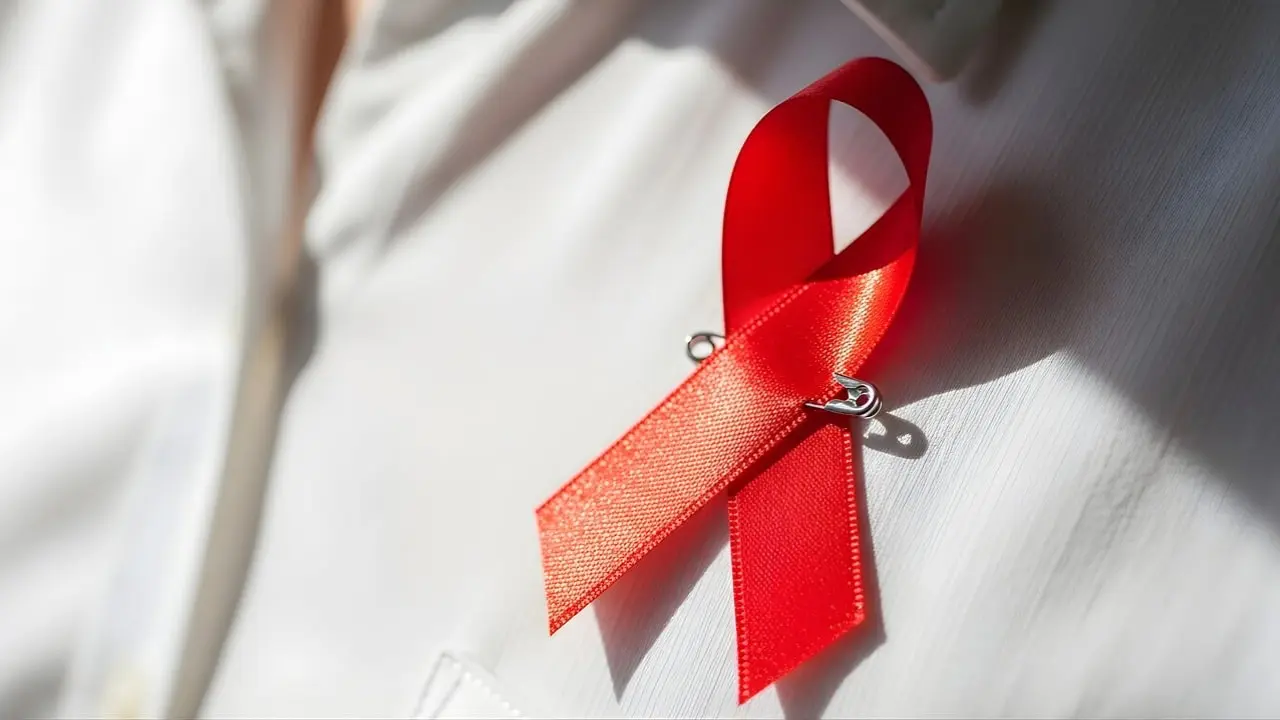
World AIDS Day 2025 brings renewed focus to India’s health drive as the country works toward reducing new infections, expanding treatment access and strengthening awareness among younger populations. The main keyword highlights the need to accelerate prevention strategies while adapting to shifting epidemiological patterns.
India remains one of the largest HIV care ecosystems globally, with millions dependent on sustained treatment frameworks. This year’s theme places emphasis on equitable healthcare, early detection and reducing stigma that still limits many from seeking timely support.
India’s HIV landscape shows progress but key gaps persist
India has made substantial progress in HIV management over the past decade. New infections have fallen significantly, driven by awareness campaigns, expanded testing and improved access to antiretroviral therapy. Public sector treatment centres have scaled capacity, and private sector participation has strengthened outreach programs.
However, challenges remain. Late diagnosis continues to be a major concern in several states. Many individuals discover their HIV status only after symptoms advance, reducing treatment effectiveness. Awareness campaigns have improved, but stigma continues to discourage early testing in rural and semi urban regions.
Transmission patterns are gradually shifting. Younger populations, particularly those aged 18 to 30, show higher behavioural risk exposure due to inadequate education and low awareness around safe practices. Health professionals are calling for more targeted communication that resonates with youth and vulnerable groups.
Treatment access expands as new therapies enter the system
India’s antiretroviral therapy network is one of the most extensive globally. Most patients now receive free or subsidised treatment from government centres. Recent years have seen the introduction of improved drug regimens that reduce pill burden, minimise side effects and increase adherence.
Long acting injectables, a significant global advancement, are expected to see phased adoption in India. These treatments, administered monthly or bi monthly, could improve adherence for patients who face challenges with daily medication. Experts believe such innovations will help reduce treatment dropout rates.
Telemedicine integration during recent years has also improved continuity of care. Patients can consult specialists remotely, access follow up plans and receive counselling without frequent physical visits. This model has strengthened care quality, especially in areas with limited specialist availability.
Testing and prevention strategies undergo major expansion
Testing remains central to India’s HIV strategy. Rapid test kits and community based screening have made early detection more achievable. Many states have deployed mobile testing units to high population density clusters and high risk zones.
Pre exposure prophylaxis is gaining attention as an emerging prevention tool. Although currently limited in availability, discussions around expanding access signal a shift toward proactive prevention rather than reactive treatment. Increasing awareness about this option can significantly reduce transmission among high risk groups.
Condom distribution programs, digital campaigns and targeted community outreach remain core components of prevention. With rising internet use, online misinformation around HIV remains a risk, prompting officials to promote verified health information across platforms.
Stigma reduction becomes key in achieving long term targets
Stigma continues to be one of the biggest barriers in India’s HIV response. Although awareness levels have improved, many patients still face discrimination in workplaces, communities and healthcare settings. This makes people hesitant to seek testing or disclose their status.
2025 health campaigns focus heavily on normalising conversations around HIV and preventing behavioural discrimination. Schools and colleges are receiving updated awareness modules, and digital influencers are being engaged to break misconceptions among younger audiences.
Health professionals highlight that societal attitudes often lag behind medical progress. Eliminating stigma is essential for achieving India’s long term goals of reducing new infections and ensuring universal access to treatment.
Youth focused education emerges as a critical priority
India’s demographic profile makes youth education essential. Many infections occur among sexually active young adults who lack accurate knowledge about safe practices. Comprehensive sexuality education remains inconsistent across states, leaving major gaps in awareness.
World AIDS Day 2025 activities include targeted youth outreach, digital learning modules and campus workshops. By equipping younger populations with reliable information, public health systems aim to prevent risky behaviour and encourage early testing when needed.
Digital platforms are also being used to push youth friendly messaging. Short format content, vernacular language campaigns and gamified learning are helping engage students more effectively.
Government and healthcare stakeholders outline future roadmap
India aims to align with global goals focused on eliminating AIDS as a public health threat by 2030. The road ahead includes expanding treatment infrastructure, increasing community participation and strengthening state level monitoring systems.
Healthcare bodies are calling for more integrated care models where HIV programs link with tuberculosis screening, reproductive health and mental health support. This approach simplifies patient journeys and ensures holistic care.
Investment in public health research is also rising. India is participating in global trials focused on vaccines, long acting medications and innovative prevention tools that could transform HIV management in the next decade.
Takeaways
World AIDS Day 2025 highlights progress and remaining gaps in India’s HIV response.
Testing, prevention and treatment access continue to expand across states.
Stigma reduction and youth focused education remain essential for long term impact.
Emerging therapies and digital tools are strengthening India’s public health ecosystem.
FAQs
Why is World AIDS Day 2025 important for India?
It reinforces national focus on early testing, equitable treatment and awareness, helping strengthen public health outcomes.
Has HIV incidence reduced in India?
Yes. New infections have declined, but late diagnosis and youth vulnerability remain concerns that require continued attention.
What new treatments are emerging?
Long acting antiretroviral injectables, improved oral regimens and digital care models are shaping the next phase of HIV treatment.
How can stigma be reduced?
Through awareness campaigns, community engagement and education programs that normalise HIV conversations and dispel myths.