






Now Reading: Year-End Travel Rush Pushes Railways and Airports to Capacity
-
01
Year-End Travel Rush Pushes Railways and Airports to Capacity
Year-End Travel Rush Pushes Railways and Airports to Capacity

Year-end travel rush pushes railways and airports to capacity as millions of passengers move across the country during the holiday period. Heavy demand, seasonal leave, and festive travel have stretched transport infrastructure, prompting crowd management measures and schedule adjustments nationwide.
The final weeks of December have triggered one of the busiest travel periods of the year in India. As schools close for winter holidays and offices wind down operations, passenger movement across long-distance and short-haul routes has surged sharply. Railways and airports are operating at near-maximum capacity, with authorities focused on managing volumes safely and efficiently while minimising delays.
Railways witness peak passenger load across major routes
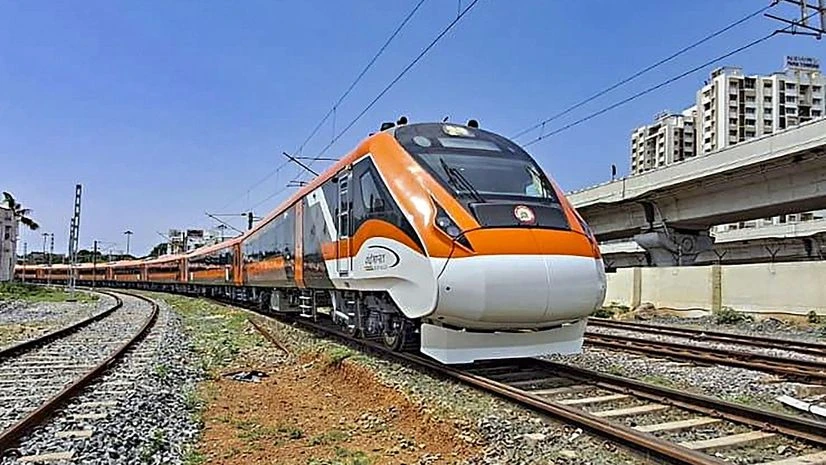
Indian Railways has recorded exceptionally high passenger traffic on key intercity and long-distance routes. Trains connecting metros, state capitals, and regional hubs have seen waitlists extend rapidly, especially on routes linking northern, western, and central India. Many passengers are travelling to hometowns or tourist destinations, driving demand beyond regular levels.
To manage the surge, additional special trains have been deployed on high-demand corridors. Coaches have been augmented where possible, and reservation systems are being closely monitored to adjust capacity dynamically. Despite these measures, platforms at major junctions remain crowded during peak hours, requiring enhanced security and passenger guidance.
Airports operate at near saturation during holiday period
Airports across the country are experiencing similar pressure. Domestic air travel has risen sharply as passengers prioritise time efficiency during short holiday windows. Popular routes connecting metros and leisure destinations are operating with high load factors, leaving limited last-minute availability.
Airport operators have activated peak-season protocols, including additional ground staff, extended check-in counters, and crowd flow management inside terminals. Early morning and late-night slots are heavily utilised to spread traffic. Even with these steps, congestion during security checks and baggage handling remains a challenge at busy hubs.
Ticket pricing and availability reflect demand surge
The year-end travel rush has had a direct impact on ticket pricing. Airfares on high-demand routes have climbed as availability tightens, while premium train classes have filled up quickly. Budget travellers have found fewer options, especially for flexible travel dates close to the holidays.
Railway authorities have urged passengers to plan journeys well in advance and avoid non-essential travel during peak days. Airlines have advised early web check-ins and adherence to baggage norms to reduce processing time. The pricing trend reflects standard demand-supply dynamics rather than policy changes, but it adds pressure on travellers with fixed schedules.
Operational challenges intensify during peak movement
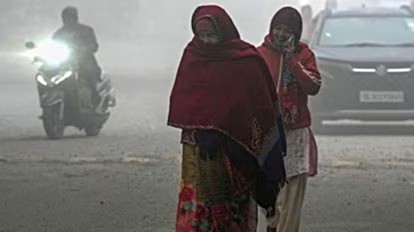
Managing operations during the year-end travel rush presents complex challenges. Fog in northern regions has disrupted train schedules and affected flight operations, compounding congestion. Reduced visibility has led to slower turnaround times and cascading delays, particularly during early morning hours.
Staff fatigue, equipment utilisation limits, and coordination across multiple agencies add to operational stress. Authorities are relying on real-time monitoring systems to respond quickly to disruptions. Passenger announcements, helplines, and digital alerts are being used more actively to keep travellers informed.
Passenger experience and safety remain priority
With crowd density rising, passenger safety has become a key focus area. Railways have increased deployment of security personnel at major stations, while airports have reinforced surveillance and queue management. Medical assistance desks and emergency response teams are on standby to handle health-related incidents.
Passengers are being advised to arrive early, follow signage, and cooperate with staff instructions. While congestion is unavoidable during peak periods, timely communication and disciplined movement help reduce risks. Authorities are also coordinating with local police and civic bodies to manage traffic outside stations and airports.
What this surge signals for future travel planning
The scale of the year-end travel rush highlights sustained growth in domestic mobility. Rising incomes, expanded transport networks, and greater travel confidence have contributed to higher passenger volumes year after year. This trend underscores the need for long-term capacity expansion and smarter demand management.
For policymakers and operators, the current rush offers valuable data on bottlenecks and passenger behaviour. Lessons from this period are likely to shape scheduling, infrastructure upgrades, and digital ticketing improvements in the coming years. For travellers, it reinforces the importance of early planning during peak seasons.
Takeaways
- Railways and airports are operating near full capacity during year-end travel rush
- High demand has led to limited availability and higher fares on key routes
- Fog and weather conditions are adding to operational challenges
- Authorities are prioritising safety and crowd management
FAQs
Why does travel peak at the end of December?
School holidays, office breaks, and festive travel combine to increase passenger movement.
Are additional trains and flights being added?
Yes, special trains and extra flight slots are being used where operationally feasible.
How can travellers reduce inconvenience during peak travel?
Planning early, arriving ahead of schedule, and tracking real-time updates can help.
Will congestion ease in early January?
Passenger volumes typically decline after the holiday period, easing pressure gradually.